Pennsylvania shocked Northeast energy policy nerds this week by withdrawing from the Regional Greenhouse Gas Initiative (RGGI). To get a state budget passed, Gov. Josh Shapiro agreed to remove Pennsylvania from the 11-state carbon cap-and-trade program, making it the first state to exit since RGGI was created in 2005.
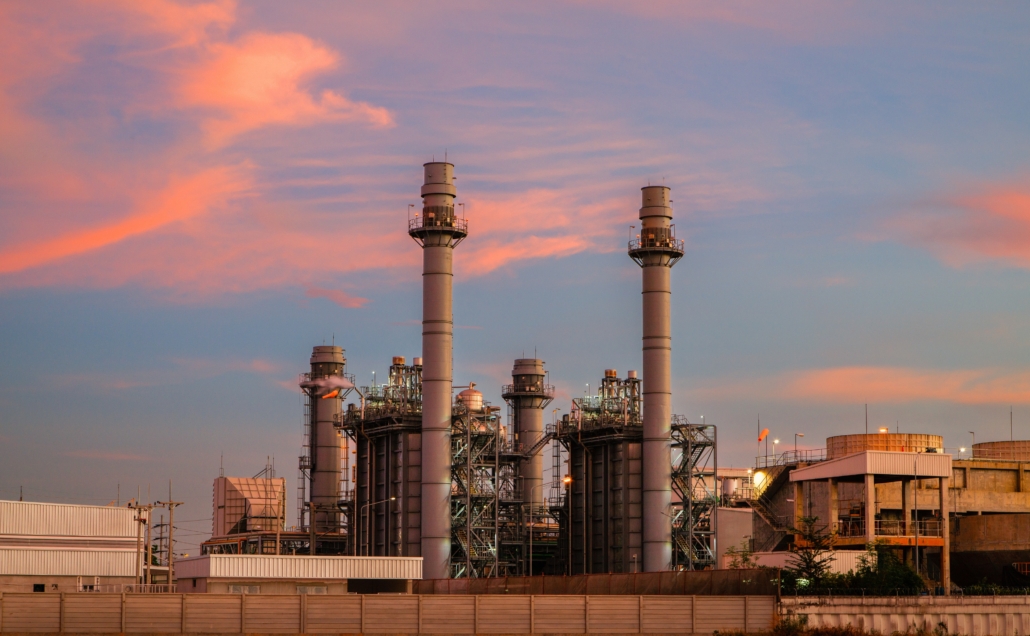
RGGI is supposed to reduce regional carbon emissions by first capping those emissions, then requiring certain power plant operators to buy one credit for each short ton of carbon dioxide emitted. States can use revenues from the sale of those credits to subsidize energy conservation projects or politically favored power generation.
But of course RGGI applies in only 11 (now 10) Northeastern states, and those states, along with their neighbors, still need energy. In theory, power generation from gas or coal-fired power plants should increase in areas just outside the RGGI region as it decreases within the region.
That’s just what happened, as a 2021 paper in Energy Economics found.
“Specifically, the program decreased coal and natural gas consumption for electricity generation by 73% and 30%, respectively, within regulated states. However, in nearby, un-regulated states, I find an increase in natural-gas consumption of 237% and a decrease in coal consumption of 7%. As a result, the program reduced carbon dioxide emissions by 4.8 million tons annually in regulated states, but increased carbon dioxide emissions by 3.5 million tons in unregulated states.”
That’s a much smaller net emissions gain than program advocates claim. Whatever the precise level of carbon reduction achieved, it comes with a significant cost.
The Internal Market Monitor published by ISO-New England, the region’s energy grid operator, shows that RGGI increases power generation costs in New England.
“Real time energy prices increased by 11 percent in 2024, despite natural gas prices remaining relatively flat year-over-year,” the 2024 report concluded. “The increase was primarily driven by higher CO2 emission costs, increased load levels, and a decline in imports from Canada.
- “RGGI prices rose more than 50 percent year-over-year, adding approximately $4 per MWh to electricity prices.”
In 2023, the RGGI cost was even higher. “For an average combined cycle generator, carbon program prices added ~$6/Mwh (20%) for RGGI across New England, and ~$10/Mwh (29%) for RGGI + MA EGEL in Massachusetts,” the International Market Monitor found.
Reducing carbon emissions is a laudable goal. RGGI does this by making emissions more expensive. The combination of higher prices and tighter emissions restrictions is intended to transition the region to lower-emissions sources power generation over time. Revenues from the sale of carbon credits could be used to subsidize additional reductions. New Hampshire returns most of these revenues to ratepayers in an effort to offset RGGI’s effect on costs.
The concept behind RGGI is that the market won’t shift energy production to lower-carbon sources without government intervention. But both market and cultural incentives can accelerate this transition, and they have.
The fracking boom reduced U.S. carbon emissions by creating strong financial incentives to shift from coal to natural gas. Reforming nuclear power regulation to facilitate greater innovation in small, modular reactor technology can be expected to speed the adoption of small-scale, zero-emissions nuclear power.
Whatever gains RGGI might produce come at a government-imposed cost borne by everyone in the region, from manufacturers to low-income households. Those small emissions reductions are largely offset by increases outside of the RGGI region, and they are swamped by the massive emissions increases from China and much of the developing world.
Ending RGGI would improve economic conditions in the Northeast. And as Gov. Shapiro of Pennsylvania noted, it would open up new conversations about energy policies appropriate at the state level.
Most Northeastern governors and legislatures are probably not considering following Pennsylvania’s lead. But if another state withdraws soon, the pressure will be on. Politically, New Hampshire would be the most likely state to start looking for the exit.