Editors at National Review Online ponder funding for the federal Department of Homeland Security.
And to think, Congress was just about to look competent.
For the first time in decades, lawmakers came close to achieving regular order by passing eleven of twelve annual bills to fund the federal government on time. The one bill it left on the table was for the Department of Homeland Security (DHS), which has been without funding for well over a month. As Americans begin to feel the pain of this partial shutdown, it’s time to break the impasse.
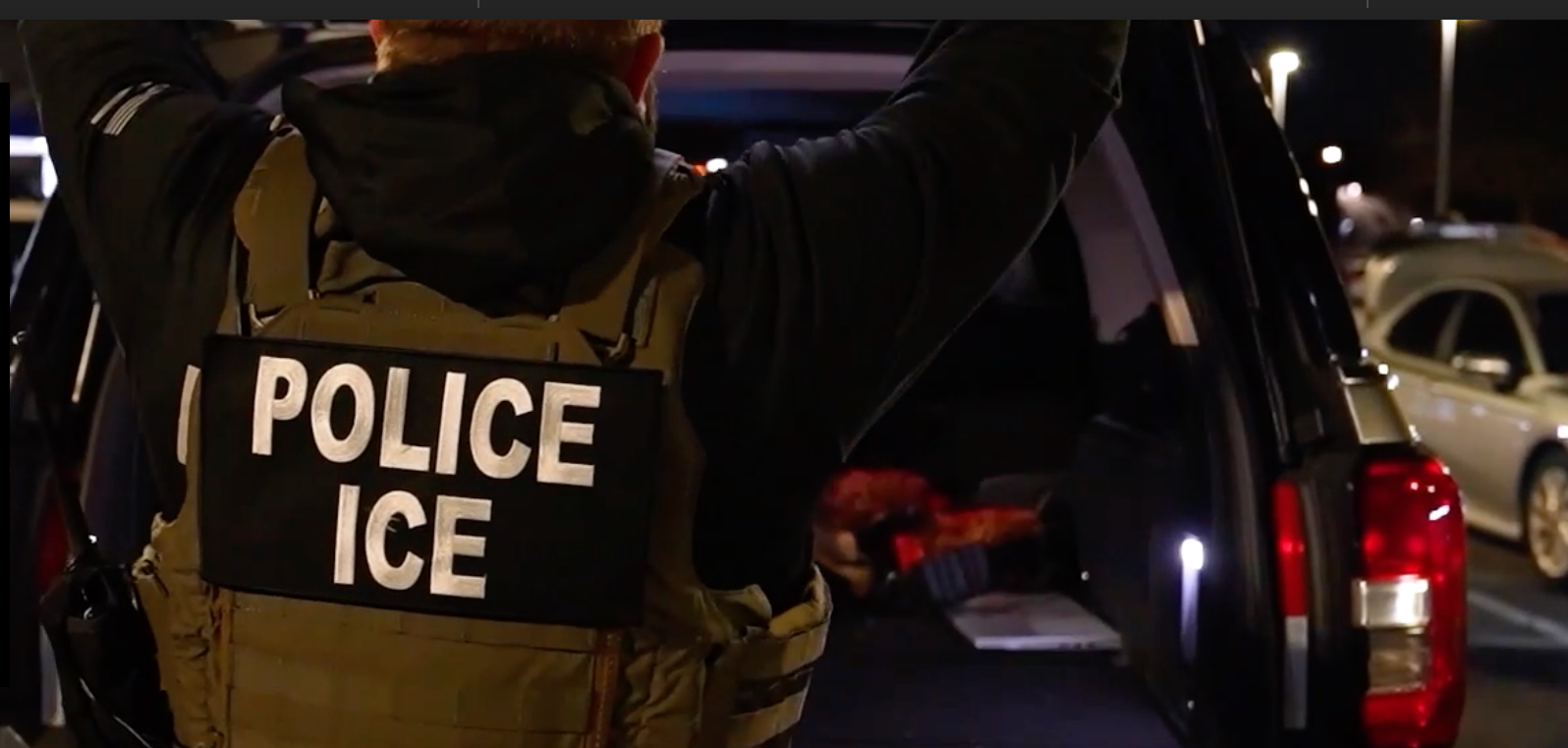
Democrats forced the shutdown in February to block funding for federal immigration agencies: Immigration and Customs Enforcement (ICE), which detains illegal migrants in the nation’s interior, and U.S. Customs and Border Protection, which traditionally polices the border but has recently been deployed to cities. Furious at the Trump administration’s deportation agenda, Democrats refused to fund these agencies’ overarching department until they secured changes. Republicans have balked at their proposals, arguing they would kneecap lawful operations.
Although the policy battle in Washington has centered on ICE and Border Patrol practices, the immigration agencies are largely unaffected by the shutdown. Agents’ salaries are still being paid from money allocated in last year’s sprawling reconciliation bill. The law provided $75 billion in funding for immigration enforcement through 2029, and DHS can spend that money flexibly even during a shutdown.
The main victims of the shutdown, therefore, are the non-immigration agencies under the DHS umbrella: the Coast Guard, the Secret Service, and the Transportation Security Administration (TSA). FEMA, the federal government’s emergency-response agency, is not receiving new funding but has billions of dollars left over from previous congressional appropriations.
Given their vital national security role, most Coast Guard and Secret Service personnel are required to work despite missing paychecks. The same is theoretically true of the TSA. In practice, however, thousands of TSA agents are not coming in to work, knowing that they won’t be paid until Congress funds the agency.