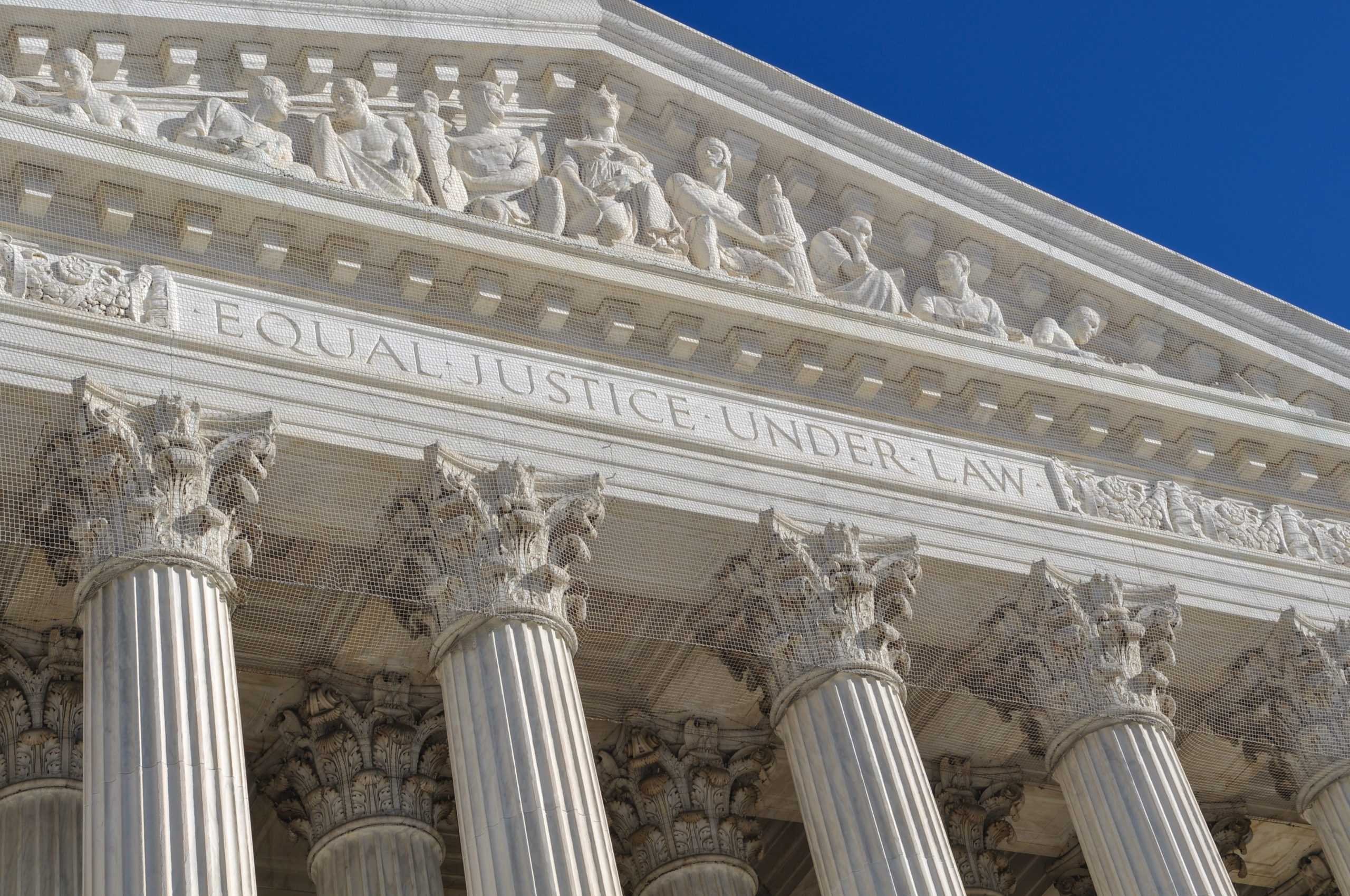
Shawn Fleetwood of the Federalist highlights a significant US Supreme Court case.
The U.S. Supreme Court appeared skeptical on Monday about the legality of state laws permitting election officials to accept mail-in ballots after Election Day.
The moment came during oral arguments for Watson v. RNC, which deals with a challenge to a Mississippi law authorizing absentee ballots to be accepted up to five days after Election Day so long as they are postmarked before or on the day of the contest. Mississippi appealed to the high court after the 5th Circuit Court determined that the state statute is preempted by federal laws designating an official Election Day.
Mississippi Solicitor General Scott Stewart opened Monday’s discussion by arguing that the federal Election Day statutes “adopt a simple rule: States must make a final choice of officers by Election Day.” He contended that they do not prohibit states from accepting ballots after Election Day so long as they are postmarked before or on that day.
Several of the court’s Republican appointees immediately pushed back on those claims.
Associate Justice Clarence Thomas kicked off the questioning by probing Stewart on his seemingly conflicting positions that the voter’s choice must “be made by Election Day” and “on Election Day.” He further pressed Stewart on when Mississippi considers an elector’s vote to be “final” — either when it’s been placed in the mail or formally received by the election official.
Piggybacking off Thomas’ hypothetical about a voter giving his “mail-in ballot to [his] neighbor” for it to be delivered, Associate Justice Amy Coney Barrett similarly attempted to pin down Stewart on the issue. She pushed back on the Mississippi solicitor general’s claim that “submission [of a ballot] to mail or common carrier is … different … than, say, submitting it to a relative … or sort of a neighbor in that way.”
“What’s the difference? They’re not government officials,” Barrett said.