Editors at National Review Online tout high points of American energy policy.
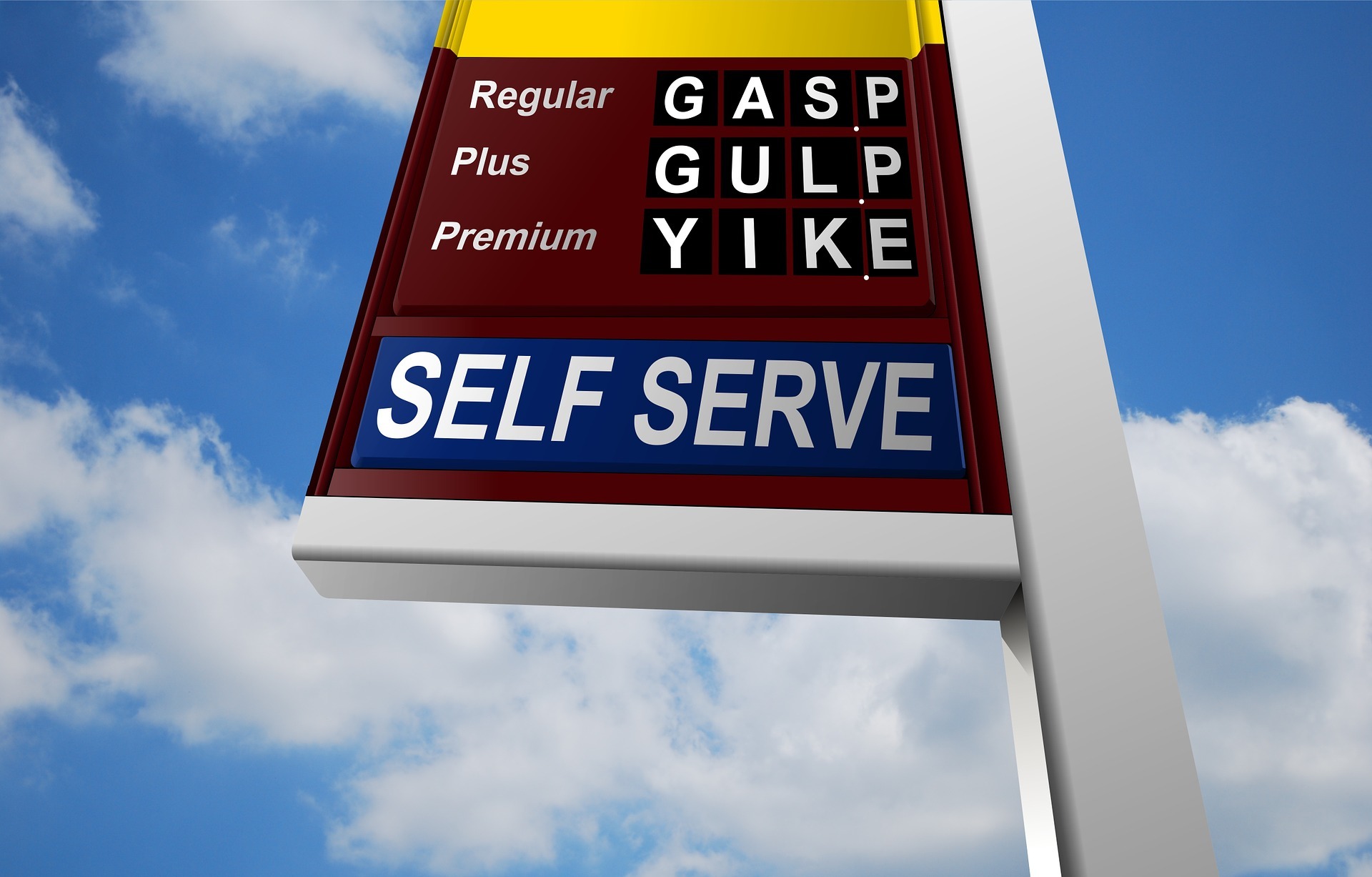
Today’s trip to the gas station will be an unwelcome reminder of the imbroglio in the Persian Gulf. The average price nationwide in January was $2.81/gallon, a five-year low. It is now $4.11. Grim as that is, it is significantly less of a hike than that endured by Americans during the 1973 and 1979 oil shocks. And autos typically consume less fuel than half a century ago. With (possibly) limited exceptions on the West Coast, drivers are highly unlikely to see a return to the gas lines of the 1970s.
The principal reasons for thinking so are a wider range of energy resources, improved efficiency, and, to oversimplify, a rebirth of energy self-sufficiency. In recent years, the U.S. has become a net oil exporter, for the first time since around 1950. By 1973, the U.S. was importing around a third of its oil, a figure that ultimately rose far higher. Much of that came through the Strait of Hormuz.
This changed with the revival of American oil and gas production on the back of hydraulic fracking and horizontal drilling. Not for the first time, American innovation and American entrepreneurialism had come to the country’s rescue. The U.S. is currently the world’s largest producer of natural gas. American exports of LNG play a critical part in enabling Europe to muddle the energy crunch brought about by the combination of its net-zero follies and the ending of (almost) all its supply of “cheap” Russian gas.
For their part, higher U.S. natural gas prices have mainly been driven by strong domestic demand, but they remain at a smallish fraction of European levels. It’s telling that, as of a week or so ago, the U.S. Henry Hub benchmark had fallen some 9 percent since the beginning of the Iran conflict, while the European (TTF) and Asian benchmarks (JKM) had soared.