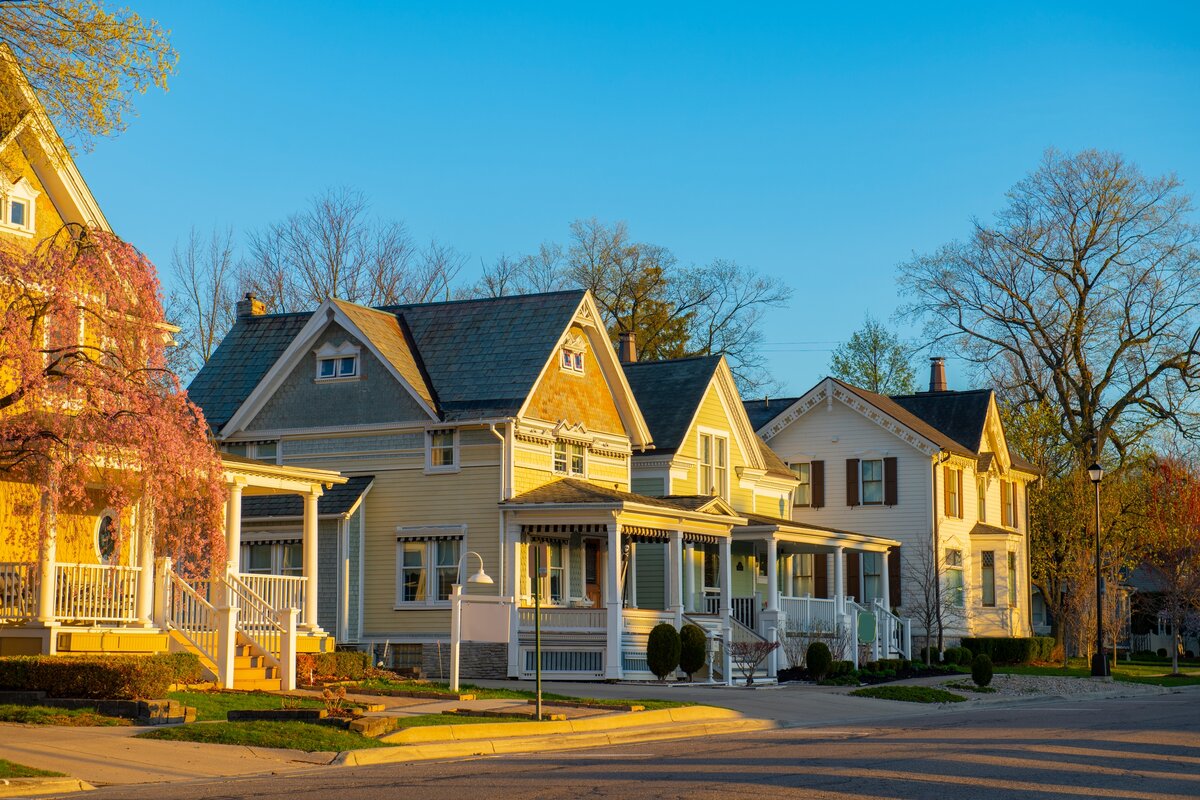
A bipartisan group of lawmakers have introduced a package of bills that would help increase the supply of homes by making it easier to build. This, in turn, would lower housing costs.
But the legislation is meeting opposition from local governments, because part of the package sets limits on local regulation of home construction. The argument from local officials leaves out some important information. Municipalities should realize that by limiting new construction, they are curtailing the property taxes that are their largest revenue source.
Local government officials complain about the protections property owners enjoy under current tax law, pointing to constraints imposed by the Headlee Amendment and Proposal A — policies that limit property tax hikes when values increase faster than inflation. What gets left out of that argument is that these tax limits don’t apply to new construction. New homes are exempt from the Headlee Amendment’s property tax reductions.
Construction also resets property values, negating another important limit on municipal revenues: the cap on assessments for existing property created by Proposal A.
In plain terms: More building means more revenue. The local government gets to assess its tax levies on the full value of the home when a developer builds a home. If the developer builds a $2 million small apartment building, taxed at state average rates, that increases annual property tax revenue by $54,000 a year. The city and county collect $18,000, and other governments collect the rest. This would not trigger reductions in rates for other taxpayers in the area.
Different treatment for new construction helps explain why property taxes increased faster than inflation in the 1990s and early 2000s, when people built more homes than they do today. While existing buildings enjoyed protection from steep increases in assessment, new construction could be taxed at current market rates.
These state policies effectively encourage local governments to let people build the homes they want and to meet market needs. State policy quietly incentivizes growth. It rewards communities that allow new housing and adapt to demand. When municipalities exercise tighter control over development, they are reducing their own property tax revenues.
Many local governments, such as counties, school districts, community colleges and libraries, levy property taxes but do not regulate housing. They all would collect more revenue if there were more construction.
There’s also a political upside. Higher tax collections from new construction should reduce the desire of local officials to ask voters for higher tax rates. That should be a win for both taxpayers and officials.
City, village and township officials who regulate housing believe that their rules benefit and reflect residents’ communal desires. Yet all local governments are created by state policy, and state legislators ought to set limits on what those governments can regulate, especially when the cost of living increases.
That’s what this housing package aims to do: set reasonable limits on how far local regulations can go when they stand in the way of much needed housing.
There is a pressing need for these reforms. Michigan’s housing crisis isn’t imaginary. It’s hitting people in their rent, their mortgages, and their decisions about whether they can afford to stay in the state at all. The cost of housing in Michigan increased by 48% in just five years, according to the federal government, making it more expensive to live and thrive here. This increase isn’t simply a market fluctuation; it’s a cost-of-living problem.
By resisting the state legislative reforms, local governments are prolonging the housing shortage and passing up a chance to strengthen their own finances.
Michigan’s housing future depends on making room for growth, not blocking it.