Andrew Stuttaford explains at National Review Online why Great Britain is unlikely to benefit from its newest leader.
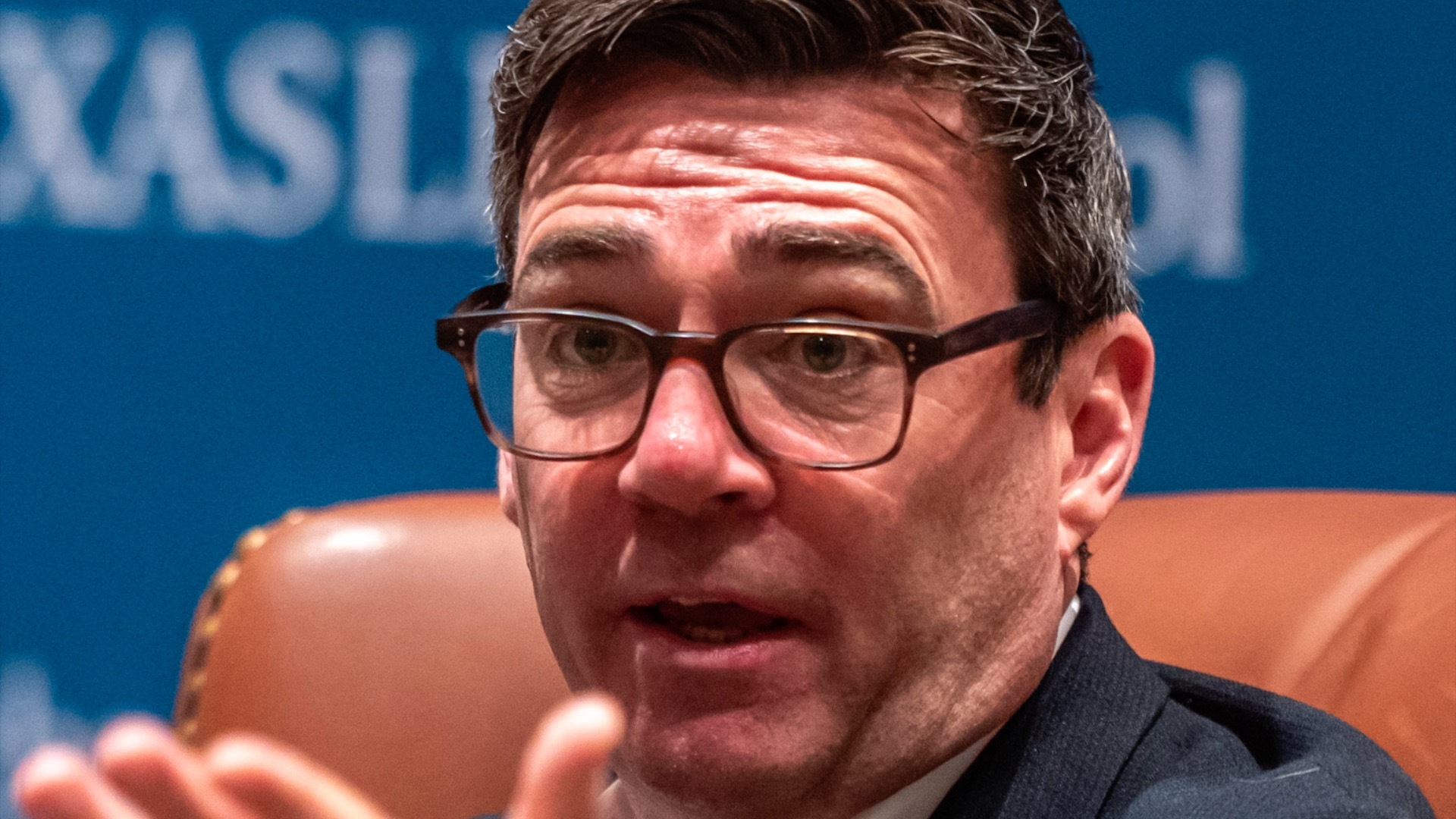
Andy Burnham, the former mayor of Greater Manchester, has become the Labour Party’s new leader and is set to become Britain’s prime minister. … A fierce critic of whatever “neoliberalism” is meant to be, he says that “we must recognize that this generation of politicians, myself included, have failed to challenge a political culture and an economic model that simply doesn’t work well enough for ordinary people.”
The demolition of Mrs. Thatcher’s legacy that has been gathering speed in the U.K. for decades under both the Tories and Labour has, so far as Burnham is concerned, not gone far enough. Maybe “it hasn’t really been tried.” Calculated on a per capita basis, Britain’s GDP has more or less stagnated since 2007. Just a coincidence! …
… Despite media hallelujahs not dissimilar to those that greeted [Keir] Starmer’s arrival in power, hopes that Burnham can jump-start the economy look far-fetched. If anything, he may speed up the rate of decline. His plan to cut and paste “Manchesterism” across the country should be treated as a threat rather than a promise.
“Manchester liberalism” was a jewel in classical liberalism’s crown. But Burnham has described his Manchesterism as the “end of neoliberalism, and the end of trickle-down economics,” a creation, in other words, with no resemblance to laissez-faire’s long-vanished ghost. Burnham’s Manchesterism is a rebranding of heavily interventionist government, combining distorted echoes of early 20th-century municipal activism with souped-up social democracy. . . .
A revived British economy will also depend on a return of what Keynes referred to as “animal spirits,” much needed in a land with the lowest rate of business investment in the G7. But much of the mood music coming out of Burnham’s circle (or those who would like to be in it) would do the opposite. …
… This won’t end well, not least for “ordinary people.”