Editors at National Review Online consider the best approach to thwarting terrorism from the political left.
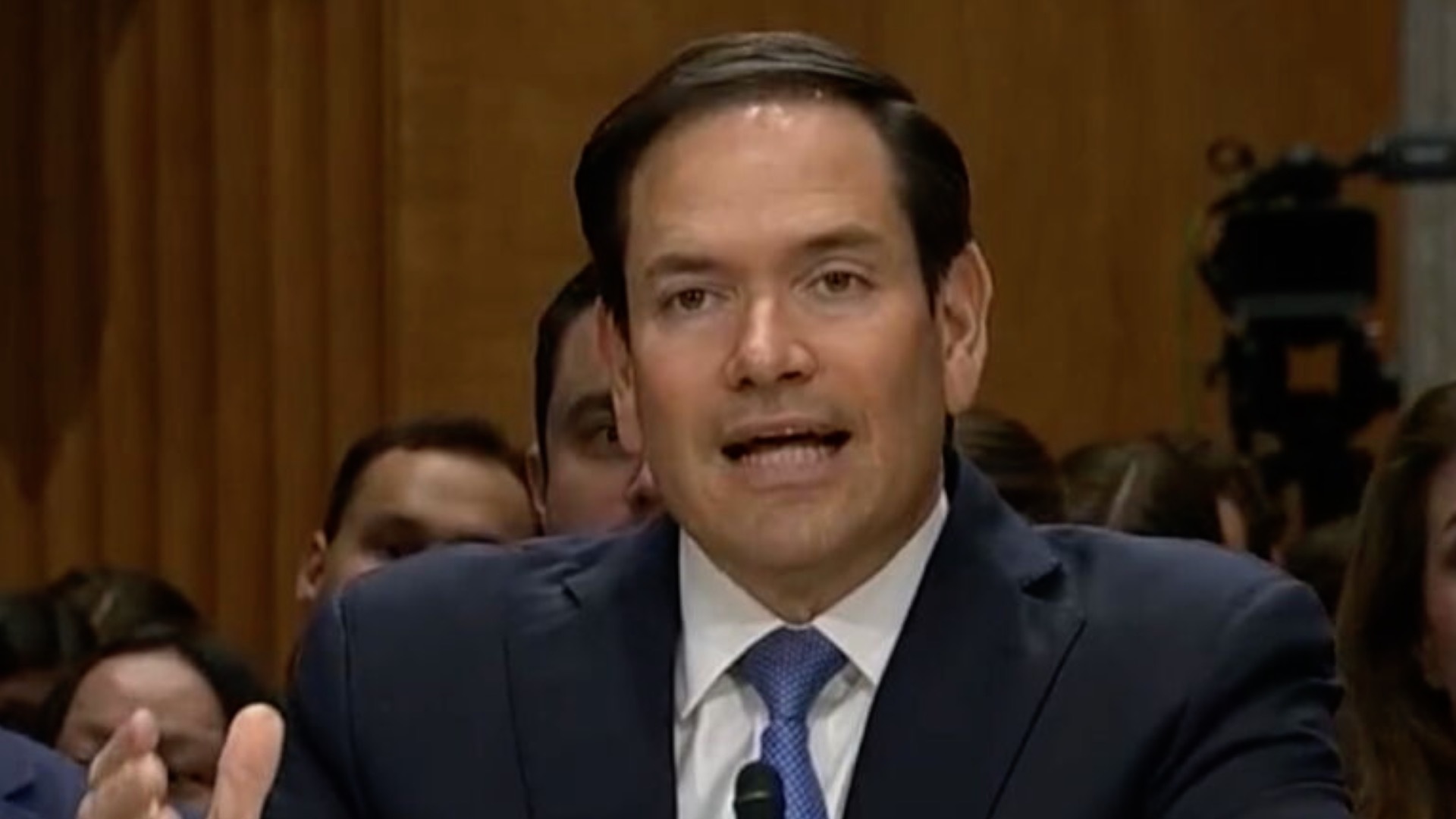
Marco Rubio gave a great speech last week.
Addressing the delegates at a 60-nation conference on the threat posed by left-wing political violence, he argued that the Western world’s counterterrorism doctrine suffers from a “blind spot.” The global anti-terror apparatus has become adept at tracking and interdicting Islamist terror plots, and it is forever scanning the horizon for indications that violent elements on the far right are a threat. There is, however, no similar vigilance when it comes to political violence emanating from the left.
“Even today, the very idea that far-left terrorism could be a serious threat is treated as a right-wing fever dream, or worse, as a dangerous fascist conspiracy,” Rubio said of the elite precincts of Western academia and culture. When “this kind of organized violence” is not being “dismissed as a partisan fiction,” the secretary of state continued, it’s excused as “merely a tragic excess of idealism.”
Rubio explained that the threat he identifies is both Marxian in nature and violent in its tactics.
Rubio anticipated that a variety of sneering left-wing observers would apply that dismissive “dogma” to “the coverage of this very conference.” They swiftly proved his point.
Yet, the evidence is on his side. The secretary outlined some of the recent incidents of left-wing terror in America: the attempted and successful assassinations of right-wing figures; the armed assaults on federal law enforcement; the insurrectionary mobs that have descended, with varying degrees of intensity, on urban America regularly since the infernal summer of 2020.
Rubio also related the threat to Europe: an elderly woman firebombed because her daughter ran for office on a platform that offended the radicals; a left-wing campaign of sabotage against rail lines and civilian infrastructure in which one attack left Berlin darkened for days; the beating and burning of civilians and police officers alike in the streets.