Government transparency is one of those rare ideas that Texans and Americans can almost universally agree on. Whatever your ideological or partisan persuasion, polling consistently shows 90% of people believe taxpayers at least have a right to know what their government is doing with their money. The Texas Public Information Act reflects the shared principle that government belongs to the people, and the people should be able to see how it operates.
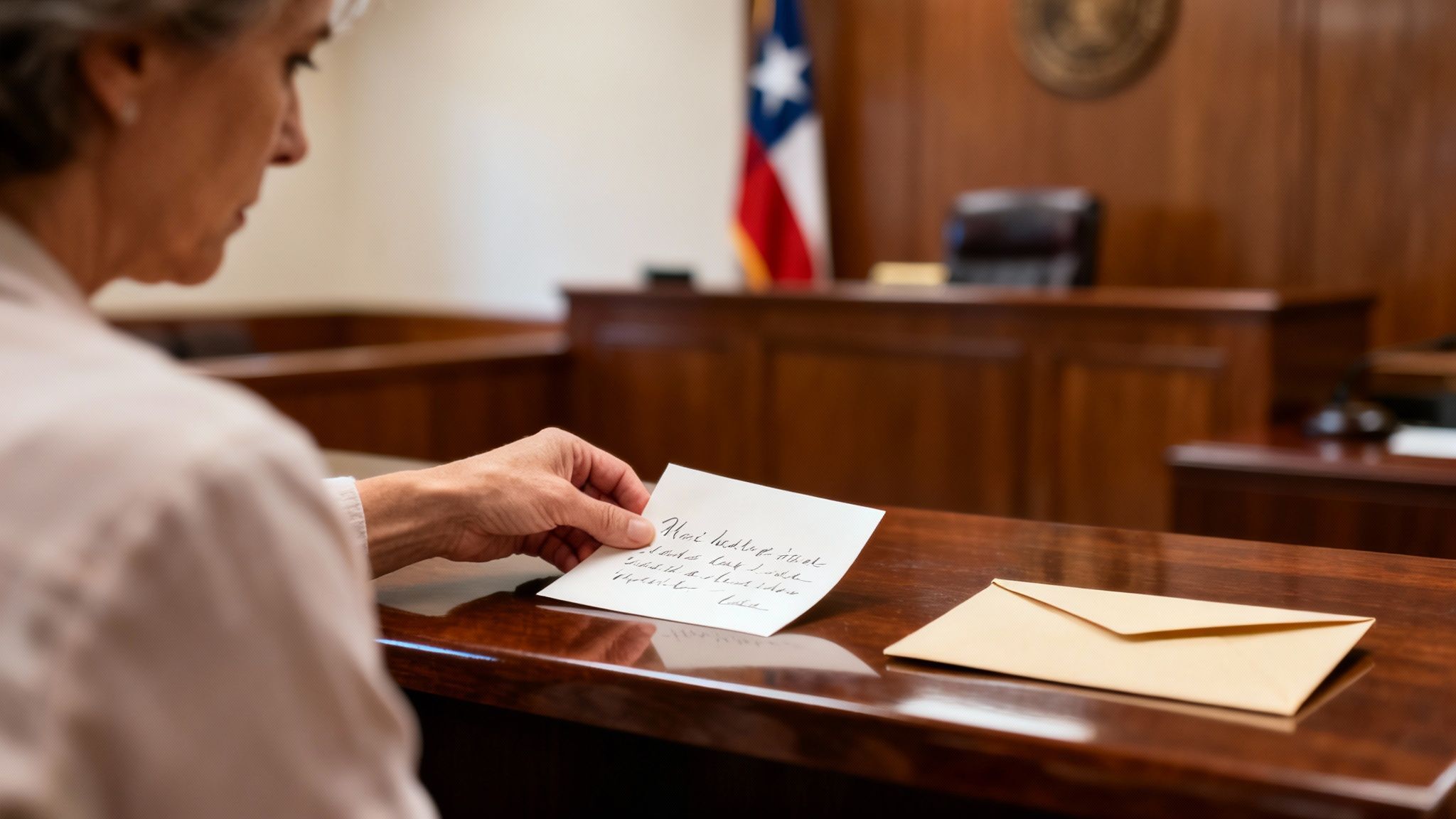
In response, the district hired an outside accounting firm to investigate. The firm conducted an investigation and produced a report. You would assume the next step would be releasing the report and letting the taxpayers see what happened. Instead, the district claimed attorney-client privilege and refused to make the report public.
Wait a minute. Local governments can keep something a secret just by hiring a lawyer to oversee an investigation?
Texas law says that completed reports, audits, evaluations, and investigations made for or by a governmental body are generally public information, with limited exceptions. A 2001 Texas Supreme Court decision has allowed attorney-client privilege to serve as one of those exceptions. TPPF’s attorneys are asking the Supreme Court to close that loophole.
At its core, this case is about making government more accountable to the people who fund it—and who it is meant to serve. Government officials don’t get to selectively cover up information that has a legitimate public interest. That’s a principle worth defending, at all levels of government.