Daniel Cox, Jae Grace, and Avery Shields report disturbing new information about Americans and their neighbors.
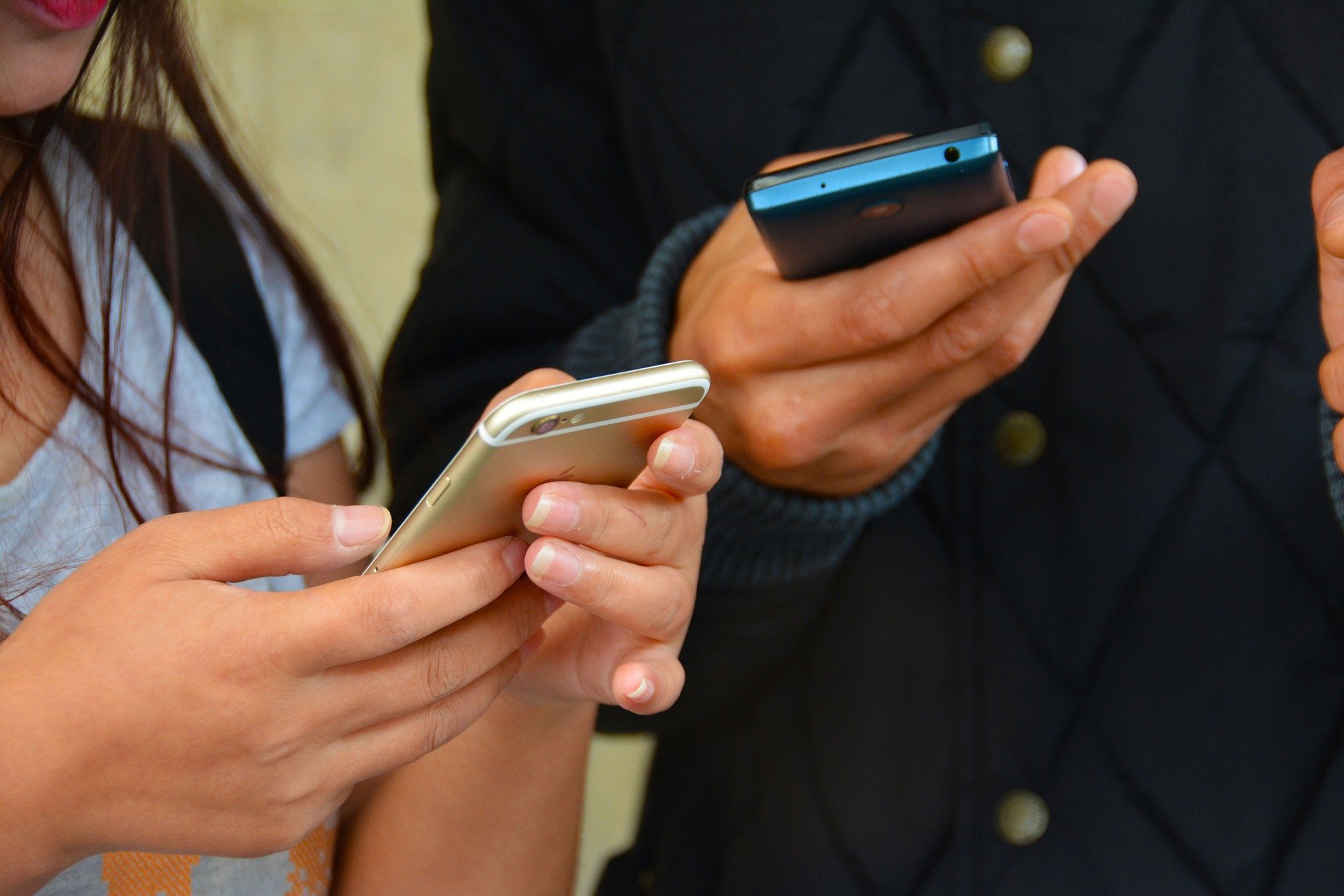
As Americans spend more of their time online, the neighborhood—once a primary physical location for real-world socialization—is playing less of a central role than ever before. Since the pandemic increased opportunities for remote work and flexible schedules, social interactions among neighbors have fallen. Whether because of social media distractions, travel sports commitments, or the rising use of freelance service providers like Taskrabbit, Americans rely far less on close neighbors and venture out less often into their communities. As Marc Dunkelman contends in The Vanishing Neighbor: The Transformation of American Community, less routine interaction with neighbors and others in the “middle ring” of social connections allows us far fewer opportunities to practice constructive debate.1
Neighborhoods vary in size, shape, and character, but one aspect that affects degrees of interpersonal engagement is the educational and class background of the people who live there. Americans with college degrees have a considerable advantage in maintaining close neighborhood connections. College graduates are more trusting of their neighbors—and more likely to socialize with them and work together to solve community problems. Americans with college degrees also express more comfort with leaning on their neighbors for support. For instance, most parents with a college degree say they would feel comfortable asking a neighbor to watch their children in an emergency, while fewer than four in 10 parents without a degree say the same.
It’s not only a class divide. The new American Neighbor Survey reveals evidence of a religious gap as well. Those who attend religious services frequently are much more socially active in their neighborhoods than are those who seldom or never participate in religious services. Americans who regularly attend religious services have stronger social connections with their neighbors and are more inclined to work with them to address community problems and concerns. Religious Americans interact with their communities differently, and their views about what it means to be a good neighbor are distinct.