Jeffrey Anderson writes for the Federalist about the previous president’s impact on today’s prices.
Ever wonder why things that cost $40 just a few short years ago now feel like they cost closer to $50? That’s because they do. According to the Bureau of Labor Statistics (BLS), things that would have cost $40 in July 2020 cost an average of $51.55 in July 2026. No wonder everyday Americans are concerned about affordability.
In fact, per BLS figures, prices have risen more in the past 6 years than they did in the 14 years prior to that. Something that cost $100 in 2020 — just six years ago — now costs, on average, $128.88. That exceeds the price increase over the 14-year span from 2006 to 2020 — as things that cost $100 in July 2006 cost $127.32, on average, in July 2020. So, after years of having prices slowly creep upward, they have shot upward since 2020.
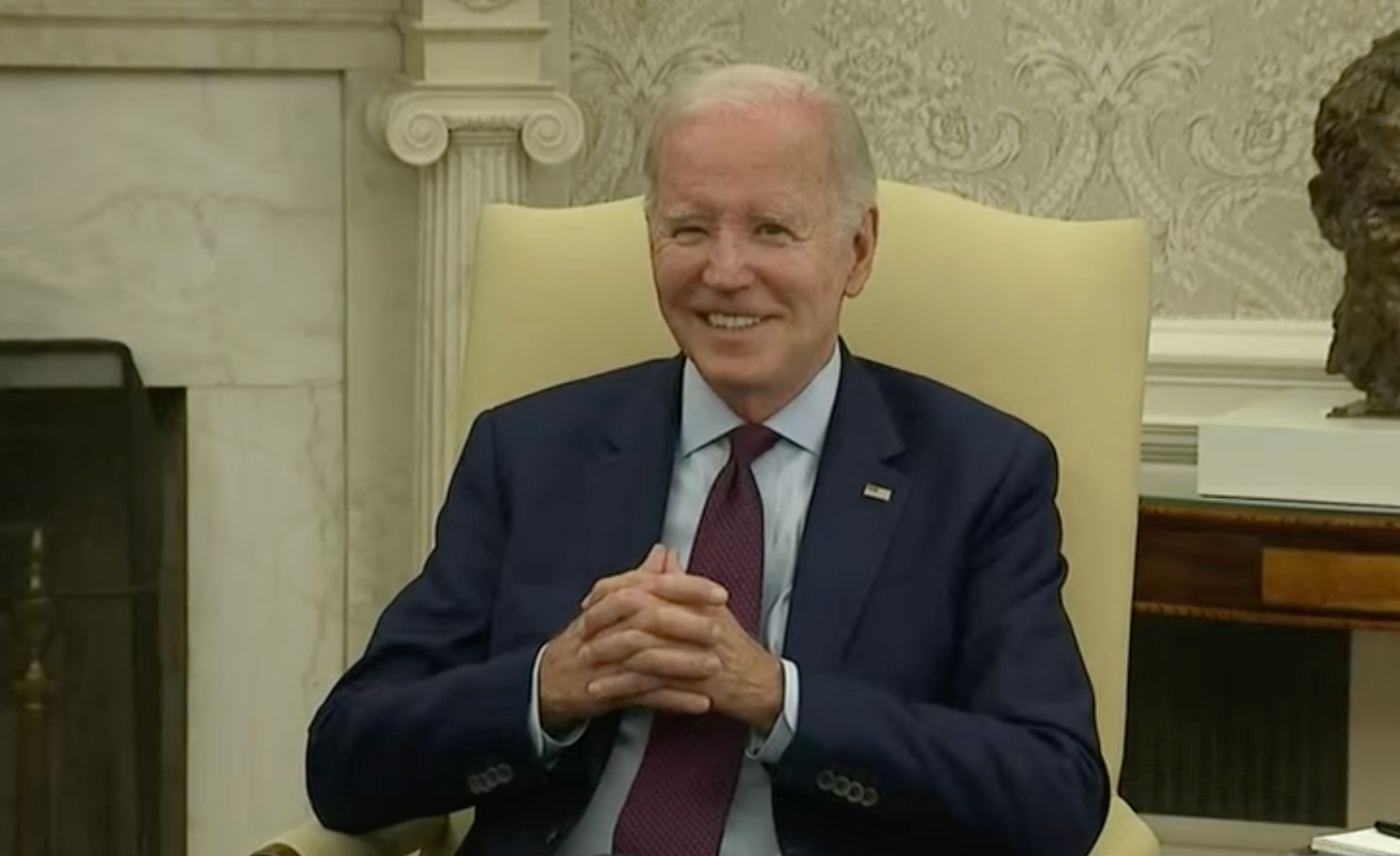
The vast majority of the price increases since 2020 took place during the Joe Biden presidency. When Biden took office, the inflation rate was 1.4 percent. It rose to 9.1 percent less than 18 months later, and the overall annual inflation rate across his four-year term was 5 percent — the highest across any presidential term in the past 45 years. (That figure is based on the consumer price index for all urban consumers in January 2021 versus January 2025.) On the whole, $100 when Biden took office was worth only $82.34 by the time he left just four years later. Not since Jimmy Carter had Americans seen the value of their money drop so precipitously over a four-year span.
Inflation during the Biden years was fueled in part by senseless Covid lockdown policies, which disrupted the supply of goods, and by runaway government spending, which flooded the economy with excess currency. As financial writer John Steele Gordon says, “As the price of money falls, the price of every other commodity must go up.” He adds, “And what causes the price of money to fall? The answer is very simple: an increase in the supply of money relative to other goods and services.”