Jim Geraghty of National Review Online assesses the current sad state of the nation’s two major political parties.
The argument that there’s no difference between the Republican Party and the Democratic Party is often wildly overstated. But what is painfully clear is that over the past decade or two, both the Republican Party and the Democratic Party have grown more statist in their economics; generally more dovish, noninterventionist, or isolationist in their foreign policy (the Iran war being the glaring exception); and more libertine in their social policies. It’s not that we don’t have a choice, it’s that the Overton window shifted dramatically to the left over the past 20 years — and yet, we’re more frustrated with our politics, government, and conditions in America than ever. I don’t think that’s a coincidence! …
… Ross Douthat, departing the New York Times and moving on to become a 60 Minutes correspondent, writes in his farewell column that compared to when he started writing in that paper 17 years ago, he’s less certain of who the “good guys” and “bad guys” are. “Each major faction seems potentially dangerous, tempted toward the dark side in some unique way, contested or cross-pressured to a degree that makes me uncertain where the side of the angels really lies.”
If you’re a (relatively) free-market conservative, a hawk — or at least a believer in peace through strength — and a supporter of traditional values, there’s a good chance you feel politically homeless and you’ve felt politically homeless for a while now.
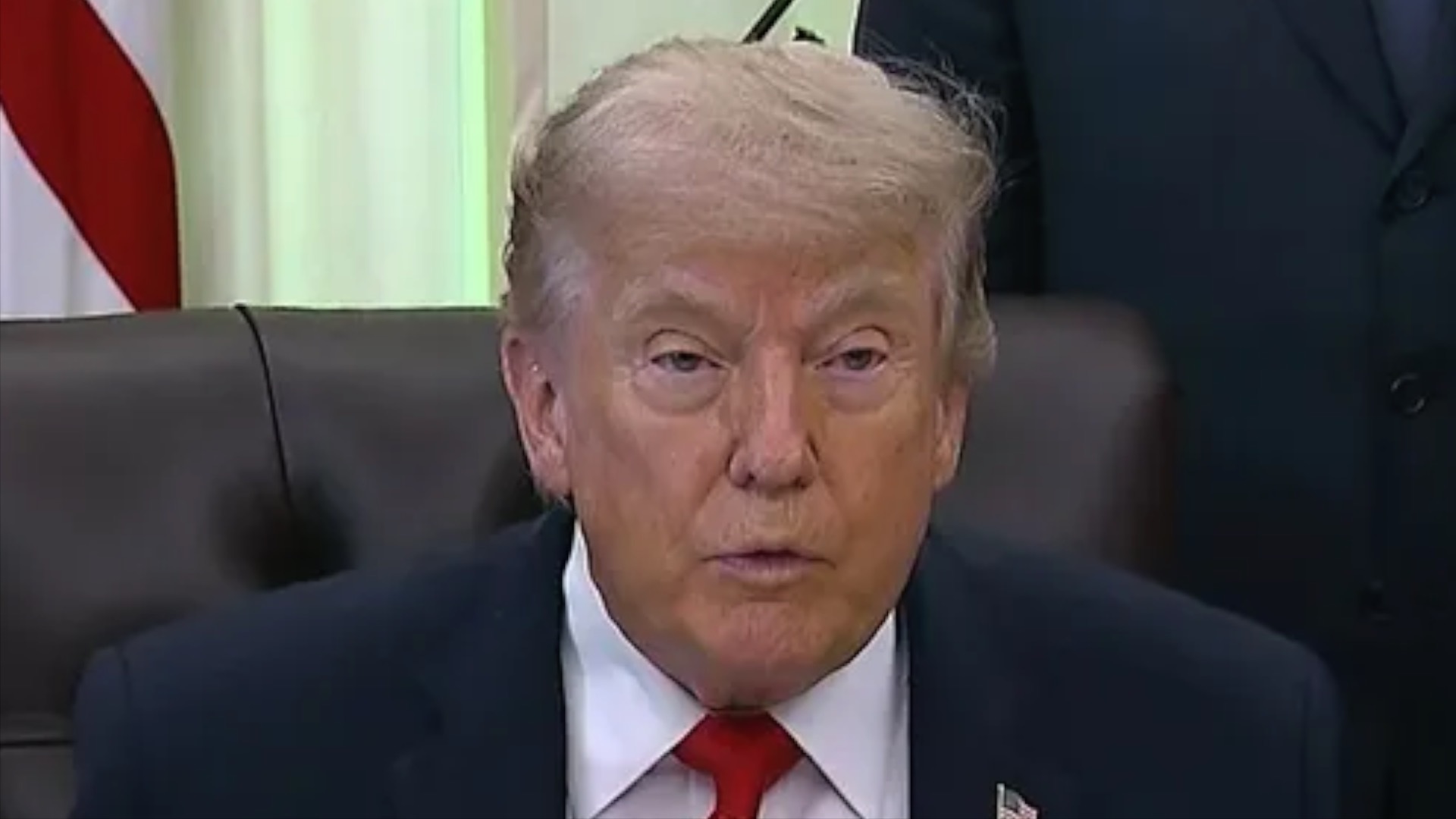
The Republican president keeps taking a government stake in private companies, now up to 30 firms. As the Cato Institute observes, the U.S. government taking an ownership stake in private companies is now routine, and a Republican-controlled House and Senate are ready to make it official federal policy under law, not just some rogue administration’s actions. Zohran Mamdani wants to “seize the means of production”; today’s Republicans want to establish a federal ownership stake in the means of production.