“Montanans can rest easy knowing that these reforms have put Montana well ahead of the curve on protecting citizens from government surveillance.”
The following has been adapted from an excerpt of the Frontier Weekly Newsletter written by Cole Koenig for the August 13th edition.
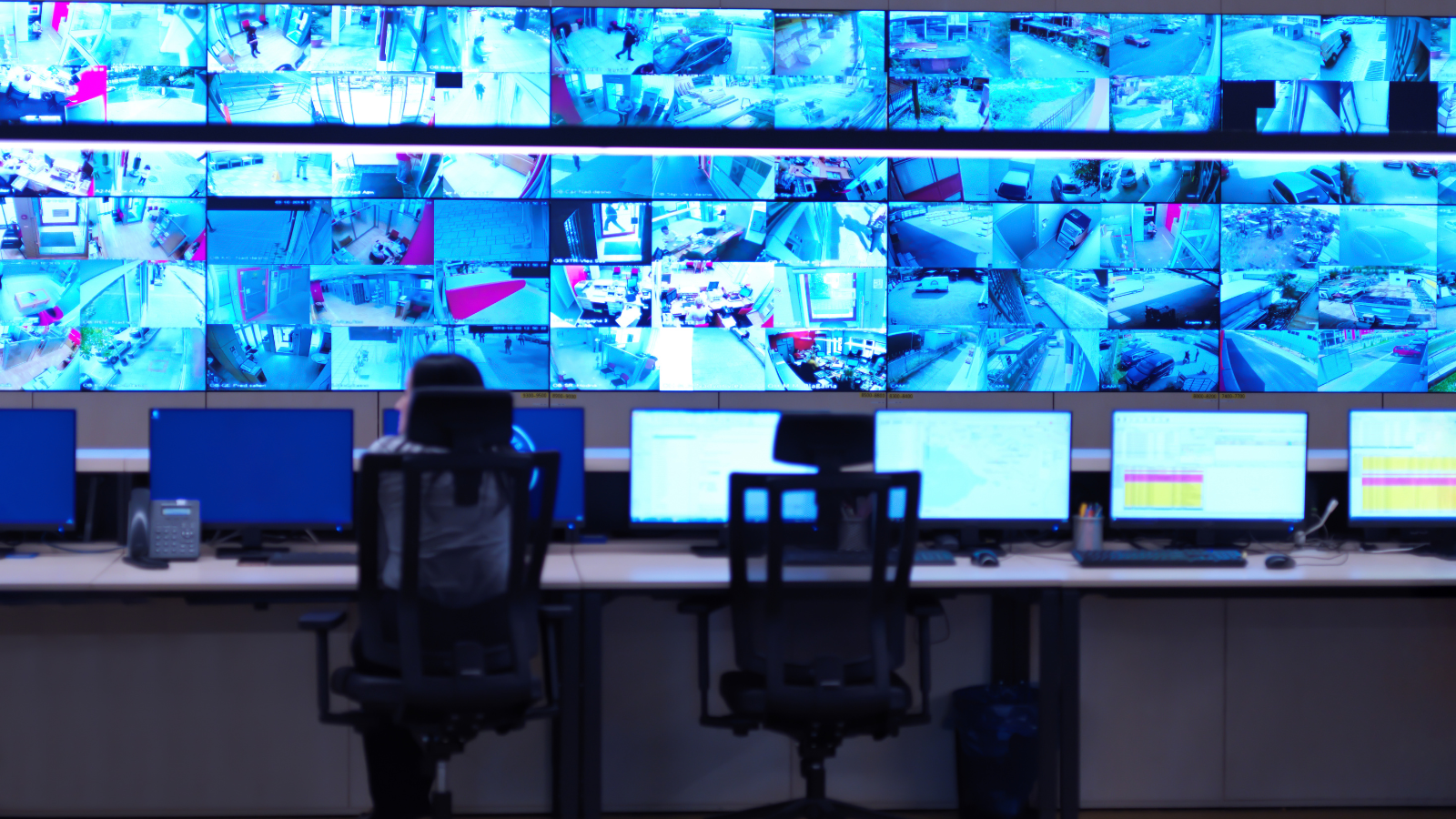
There has been a lot of recent concern and growing uneasiness about government surveillance. If you’re like me, you like to know about what is going on. News outlets have been steady in publishing new stories about community concerns around Flock cameras, license plate recognition technology, camera surveillance, and facial recognition technology. This brings up a good question:
What are the existing protections that Montanans have in the law? Let’s take a look:
1️⃣ Facial Recognition (SB 397): This 2023 law puts strict restrictions on government use of facial recognition. Under it, government is required to get a warrant before using the technology, with only a few limited exceptions, such as helping identify a missing person. It also prohibits the use of facial recognition for continuous surveillance, which means the government can’t use the technology to track people as they go about their daily lives. We were proud to play a key role in advocating for this measure that protects Montanans from government facial recognition abuse.
2️⃣ Electronic Communications (SB 203): We worked with the Legislature in 2021 to send this constitutional referendum to Montana voters, who overwhelmingly approved it, making clear that the government cannot search electronic communications without a warrant. This is a particularly strong and broad requirement, and by enshrining it in our constitution it is arguably one of the most robust in the United States, ensuring that Montanan’s personal digital information is kept private.
3️⃣ Mass Data Collection (HB 479): In 2021, we supported this law which expanded citizen protections against government searches and seizures by clarifying that data held by a third party, like cell phone records, also requires a warrant. This is particularly important because governments across the country have been increasingly skirting 4th amendment protections by going directly to cell phone companies.
4️⃣ The “Data Broker Loophole” (SB 282): In 2025, the legislature passed SB 282, which closed the “data broker loophole,” in which government could avoid warrant requirements by buying the data outright. Montana was the first state to do this.
5️⃣ Misuse of AI (HB 178): This 2025 bill specifically prohibits the government from using AI to discriminate, manipulate, and surveil members of the public. It also provides guidelines that require the government to disclose when AI is being used and necessitates human review for decisions that could impact individuals. The aim here is to limit government abuse using AI technology, increase transparency, and maintain human supervision over important government decisions.
Prior to 2021, Montana has a history of establishing protections from government surveillance, including laws going all the way back to 2013. These measures range from protecting citizens from drone surveillance, abuse of citizen location data, and automatic license plate readers. The list goes on, adding to the ways in which Montana has been proactive on privacy rights.
Montanans can rest easy knowing that these reforms have put Montana well ahead of the curve on protecting citizens from government surveillance, and we’re incredibly proud to have played a role in making many of these possible. Montana has been on the cutting edge of protecting citizens from government surveillance, and we will continue to make sure it stays that way, even with technological progress.