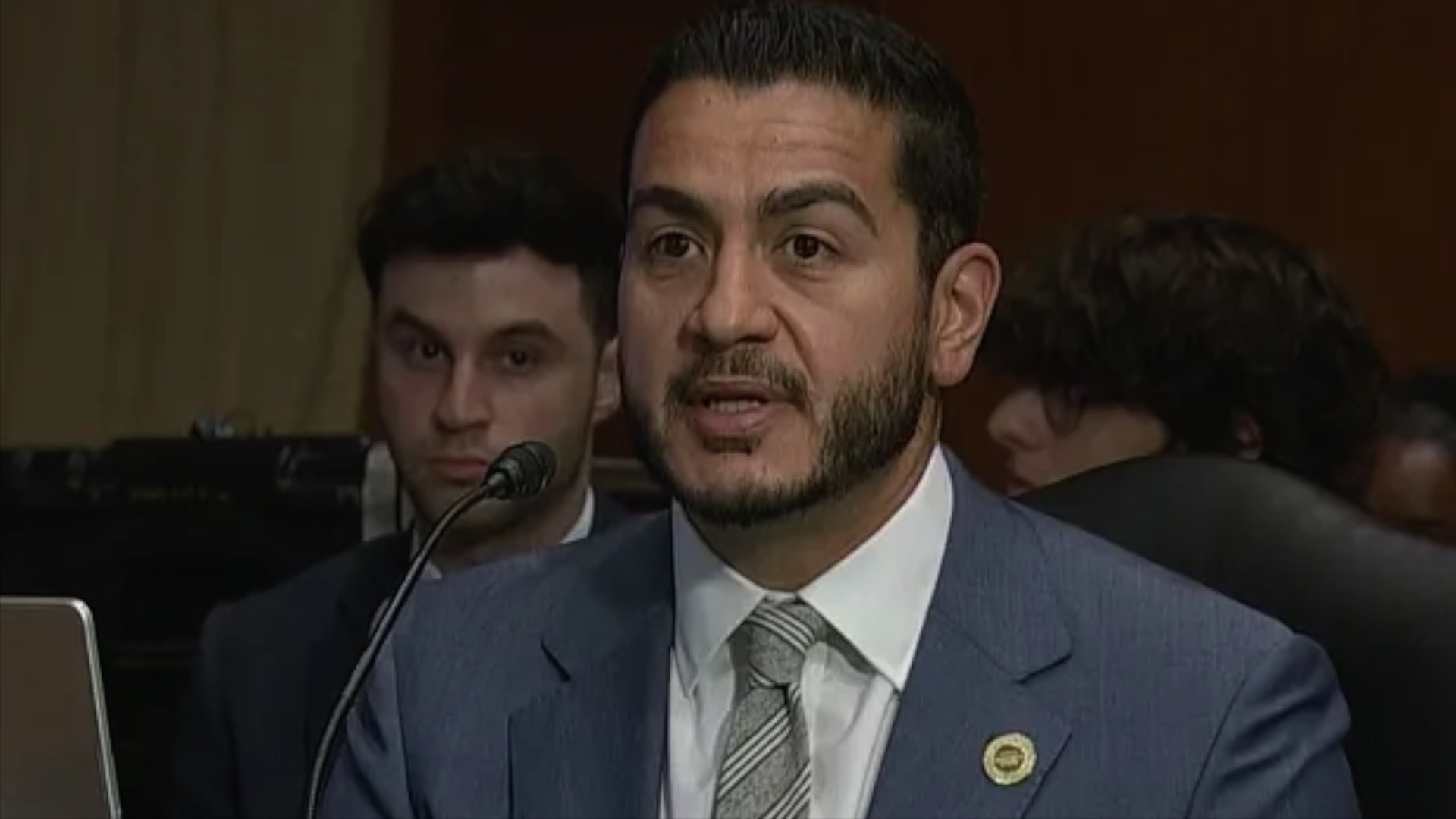
David Strom writes at HotAir.com that bad polling in Michigan’s Democratic Senate primary “reveals a huge problem.”
I asked my friend-through-X, Scott Rasmussen, what he thought, and he was kind enough to give some insight into the issue. …
… Luckily for the El-Sayed backers, he pulled it out, if barely, and a win is a win. But not so much for the pollsters, who all got enough egg on their faces that they are still wiping off the yolk, and worried that it will stain their bespoke suits and ties.
No doubt there are many reasons why the polls were so far off, not the least of which is underestimating the preference of blacks and older people for Stevens, or at least their disdain for El-Sayed. But Scott added an interesting wrinkle or two.
First of all, Scott noted that El-Sayed’s base is the overeducated—most specifically the people who went beyond college and to graduate school. They were his most enthusiastic backers, being the farthest from “ordinary” voters, and if there is a single group most interested in sharing their opinions with pollsters, it’s most certainly them.
Filtering them out due to the inherent response bias is especially tough because pollsters need respondents, and these people are eager to respond and show up in the general category of “college-educated” voters.
Scott notes that the difference between post-grads and college-educated voters is larger than that between non-college and college voters. Which makes sense, if you think about it. The people most into the intellectual weirdness of college will stick around it the most, self-selecting into an almost closed group.
The other big issue is that polling in highly contested primaries is almost a fool’s errand. You have to model who will show up, and in divisive primaries it just isn’t practical to determine who will do so with any reliability.