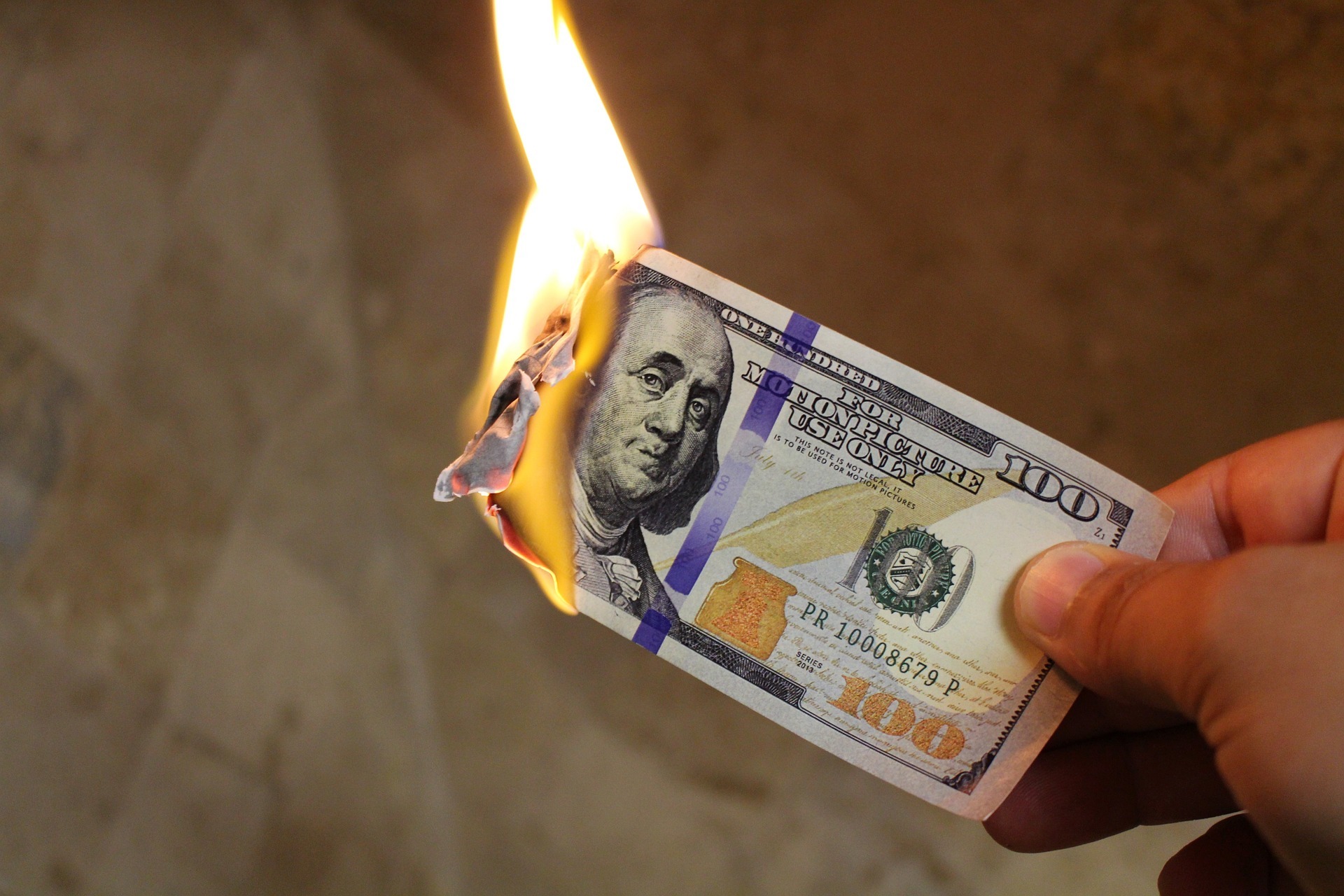
John Puri writes for National Review Online about the origins of our massive federal government debt.
This week marks an ignoble milestone: America’s national debt is crossing $40 trillion for the first time, months earlier than was forecast. Although this exact threshold is more symbolic than intrinsically significant, … now is as good a time as any to reflect on how we got here.
Economists prefer to work with debt held by the public when studying this issue, rather than the headline total, which includes debt the federal government effectively owes to itself. (Among those considered “public” are banks, investment funds, the Federal Reserve, and foreign countries.) By this more relevant measure, our debt stands at the slightly less mortifying figure of $32.2 trillion, or just less than the size of the whole U.S. economy. This year, the federal government will spend a projected $931 billion to service this debt, or around 3 percent of national income. Interest costs are now the third-greatest federal expenditure, behind Medicare and Social Security. It, along with the underlying debt, will only balloon from here.
Believe it or not, in 2001, the Congressional Budget Office (CBO) projected that, under then-current law, the nation would pay off its entire public debt by 2009. As in, reduce the debt to zero. Suffice to say, that did not happen. Debt held by the public began at 31 percent of GDP in 2001, jumped to over 50 percent by 2009, and spiked briefly above 100 percent in 2020. Don’t worry, we’ll get back there soon!
The indispensable think-tankers at the Committee for a Responsible Federal Budget used subsequent CBO reports to see what caused the debt to get so off track. …
… “Reviewing major deficit-increasing legislation and executive actions over the past 22 years, 3we find that major tax cuts are responsible for 37 percentage points of debt-to-GDP, net discretionary spending increases and major Medicare expansions are responsible for 33 percentage points, and response measures to the Great Recession and the COVID-19 pandemic and recession – before accounting for economic feedback – explain 28 percentage points.”