Iran is losing significant control over the Strait of Hormuz, the vital waterway through which roughly a fifth of the world’s oil and liquefied natural gas once flowed, as commercial vessels increasingly bypass Iranian-controlled channels in favor of a southern route along Oman’s coast under U.S. naval protection.
Maritime data from analytics firm Kpler shows that more than 80% of vessel transits through the strait over the past two weeks have used the Omani route — a UN-authorized shipping channel that Tehran has repeatedly denounced and attacked. This marks a sharp reversal from a month earlier, when virtually no traffic used that path. “It increasingly looks like Iran has at least partially lost control of the strait,” said Homayoun Falakshahi, head of crude oil analysis at Kpler.
The shift comes amid months of conflict that began with U.S. and Israeli strikes on Iran in late February 2026. Tehran responded by asserting de facto control over the waterway, establishing a Persian Gulf Strait Authority, demanding passage permits, threatening or attacking noncompliant ships, and at times seeking to impose fees. Iranian forces targeted vessels using unauthorized routes, and traffic plunged far below pre-war levels of around 20 million barrels of oil per day.
U.S. naval forces, however, have steadily expanded their presence and facilitation efforts. American warships have escorted or protected hundreds of commercial vessels, enabling more ships to ignore Iranian demands and transit via the southern corridor. Energy Secretary Chris Wright recently noted that combined oil flows through the strait and alternative routes had reached about 15 million barrels per day in one recent week — closer to pre-conflict averages, though still reduced overall. President Donald Trump has repeatedly claimed “total control” of the strait, a assertion Tehran rejects and that independent data only partially supports.
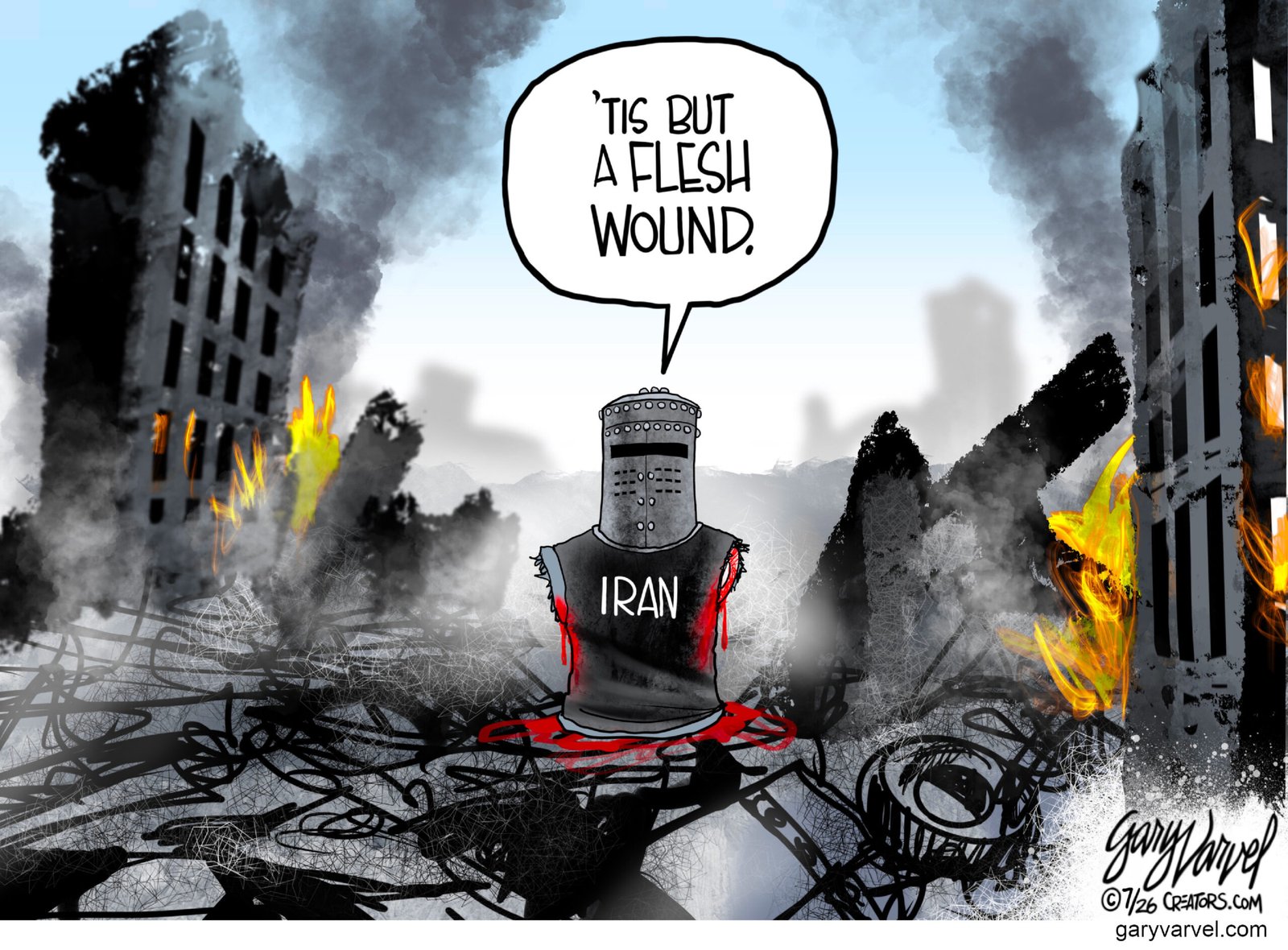
Iran continues to challenge the shift. Its forces have attacked ships attempting the Omani route, and officials insist the waterway remains under Iranian management. Iranian leaders have framed control of Hormuz as a “golden weapon” more valuable than the nuclear program in negotiations, refusing to fully reopen it without U.S. concessions on sanctions, frozen assets, and recognition of Tehran’s authority. A fragile June memorandum of understanding that was meant to restore free navigation largely unraveled amid mutual accusations of violations and renewed strikes.
Despite these efforts, the data indicate eroding Iranian leverage. Most ship operators now appear willing to risk Iranian interdiction in exchange for U.S. protection on the southern route. Oil flows remain below pre-war norms, and sporadic attacks persist, underscoring that neither side exercises absolute dominance. Analysts note that Iran retains asymmetric capabilities — including mines, drones, missiles, and fast boats — that can still disrupt traffic, but sustained U.S. naval patrols and the willingness of commercial fleets to use the alternative path have demonstrably diluted Tehran’s former chokehold.CNN
The development carries global implications. Restoring reliable transit is critical for energy markets still recovering from the wartime shock. For Iran, diminished control reduces a key bargaining chip in any broader talks. For the United States and its partners, it validates the strategy of protecting freedom of navigation through persistent presence rather than solely through kinetic strikes on Iranian coastal assets. Whether the trend holds will depend on Iran’s capacity and willingness to escalate further attacks against the growing volume of protected traffic.
Content created by Conservative Daily News and some content syndicated through CDN is available for re-publication without charge under the Creative Commons license. Visit our syndication page for details and requirements.