Dan McLaughlin writes at National Review Online that polling errors in Michigan’s Democratic US Senate primary don’t appear to be random.
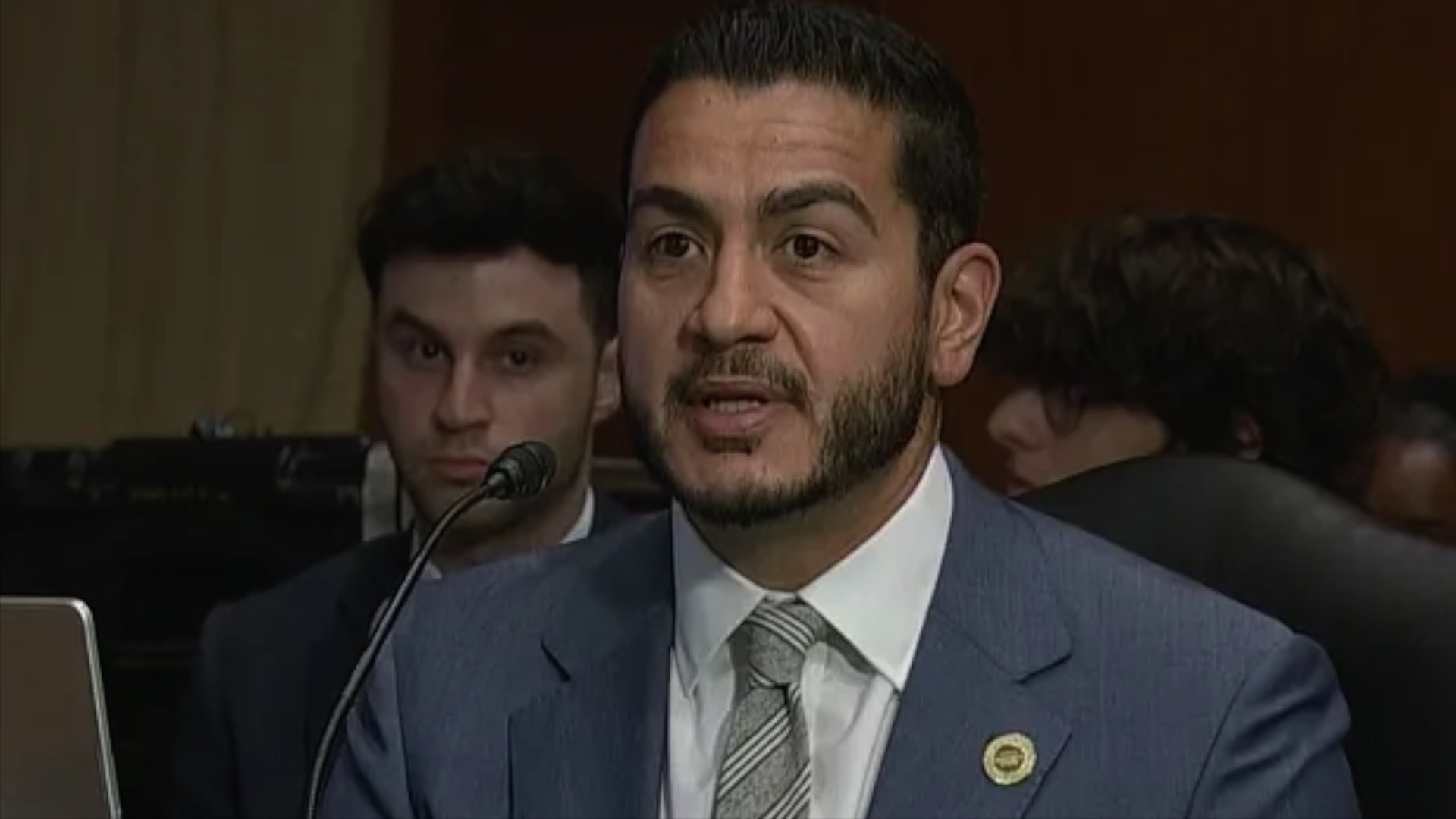
That Abdul El-Sayed won the Michigan Democratic primary for Senate by (at this writing) less than a point, after the last five polls in the race all had him up by double digits, might be chalked up to the general difficulty of polling Michigan … or to poor-quality, agenda-driven primary pollsters. But it also might not be as random an error as it first appears. If you look at past Michigan poll failures, most notably the 2016 Democratic presidential primary (when Hillary Clinton led by 21 points in the final poll average, then lost to Bernie Sanders), you might think the pattern hard to spot: this time, it was the establishment figure who was underrated against the populist. But when you look at their actual coalitions, the picture seems more familiar:
Stevens bested El-Sayed in the state’s more rural, working-class counties, as well as among black voters in inner-city Detroit. In Michigan counties where fewer than 30 percent of voters are college-educated, Stevens earned almost 52 percent of the vote, Politico reported. …
… El-Sayed propelled big showings in liberal strongholds and college towns . . . without winning the majority of Michigan counties or winning any single county in metro Detroit.
Black voters were particularly skeptical:
Of the 12 Michigan counties with at least 133,000 residents and a Black population of 11%, Stevens won seven by an average of 8.5 percentage points, including Wayne, Saginaw and Genesee counties. El-Sayed won five – including Ingham, Kalamazoo and Washtenaw – by an average of 20.4 percentage points. Those counties, though, are also home to big universities that are often more progressive.
In short, the candidate who was underrated by the polls (Stevens) was far more reliant on downscale, less-educated, and black voters, while the candidate who was overrated did disproportionately well with upscale voters and college kids. It should not surprise us that the latter group is a lot easier to locate in polls than the former.