Ira Stoll writes for the Washington Free Beacon about a significant opportunity for the Federal Reserve’s new leader.
A new chairman of the Federal Reserve is an opportunity to scale back the system’s staff, whose numbers have swollen in recent years and now far exceed that of similar institutions in other countries.
The Bank of Japan says it has 4,601 employees. The European Central Bank says it has “more than 5,000” employees. The Bank of England announced layoffs in March 2026 from a base of 5,700. Germany’s Bundesbank reports a core staff of 10,333. The Reserve Bank of India has a staff of 13,520, according to the Economic Times, a business newspaper that focuses on India. The U.S. Federal Reserve System, by comparison, reports the equivalent of 24,179 full-time employees in its annual report for 2024, which is the most recent report available on the Fed website.
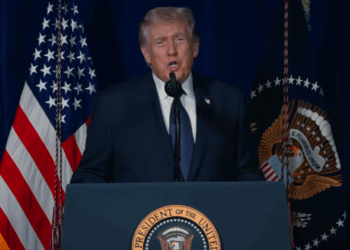
President Trump and the Treasury secretary, Scott Bessent, have been speaking about the issue. Bessent has suggested the public doesn’t fully realize the central bank’s scale. “You never think there’s a sprawling organization out there,” the Treasury secretary said last month in remarks previewing steps the new Fed chair, Kevin Warsh, might take. “I think he’s going to do a serious look at how did the reserve banks interact, because I think the reserve banks, it’s a management disaster, because something like 50% of the people in each reserve bank do not report to the president of that reserve bank,” Bessent said in a conversation with Semafor editor in chief Ben Smith.
Elon Musk, who worked with Trump to reduce the size of the federal workforce early in Trump’s second term, has called the Fed “absurdly overstaffed.”
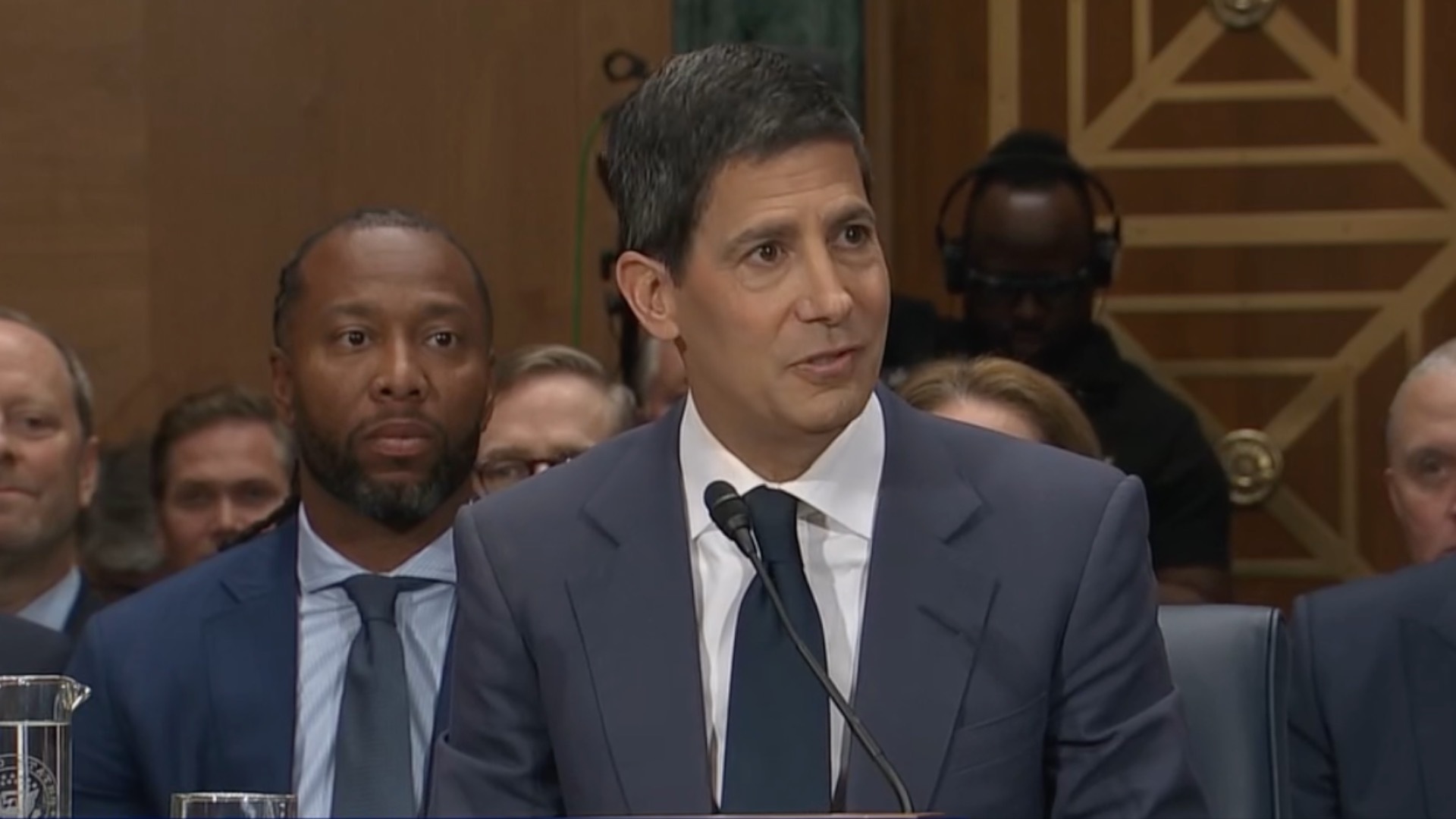
Trump is scheduled to swear in Warsh as Fed chair on Friday.
The outgoing chair, Jerome “Too Late” Powell, had first insisted that the Fed was “overworked maybe, not overstaffed,” then internally announced a ten percent reduction in headcount over a period stretching into 2027, including voluntary early retirements.