Editors at National Review Online assess America’s relations with one of the worst political actors in the Middle East.
In early March, the White House put out a document, posted on the websites of U.S. embassies around the world, detailing Iran’s “blood-soaked war on Americans.” It listed dozens of Iranian terrorist attacks on Americans, from taking hostages at the American embassy in 1979; to the Marine barracks bombing in Beirut in 1983; to the wave of airplane hijackings throughout the 1980s; to the relentless attacks on American troops in Iraq. This, the document said, was just a “partial list.”
A lot has changed in three months. Now, having signed a memorandum of understanding with the terrorist regime that the White House still refuses to make public, suddenly, the Iranians are being described as if they’re ideal interlocutors.
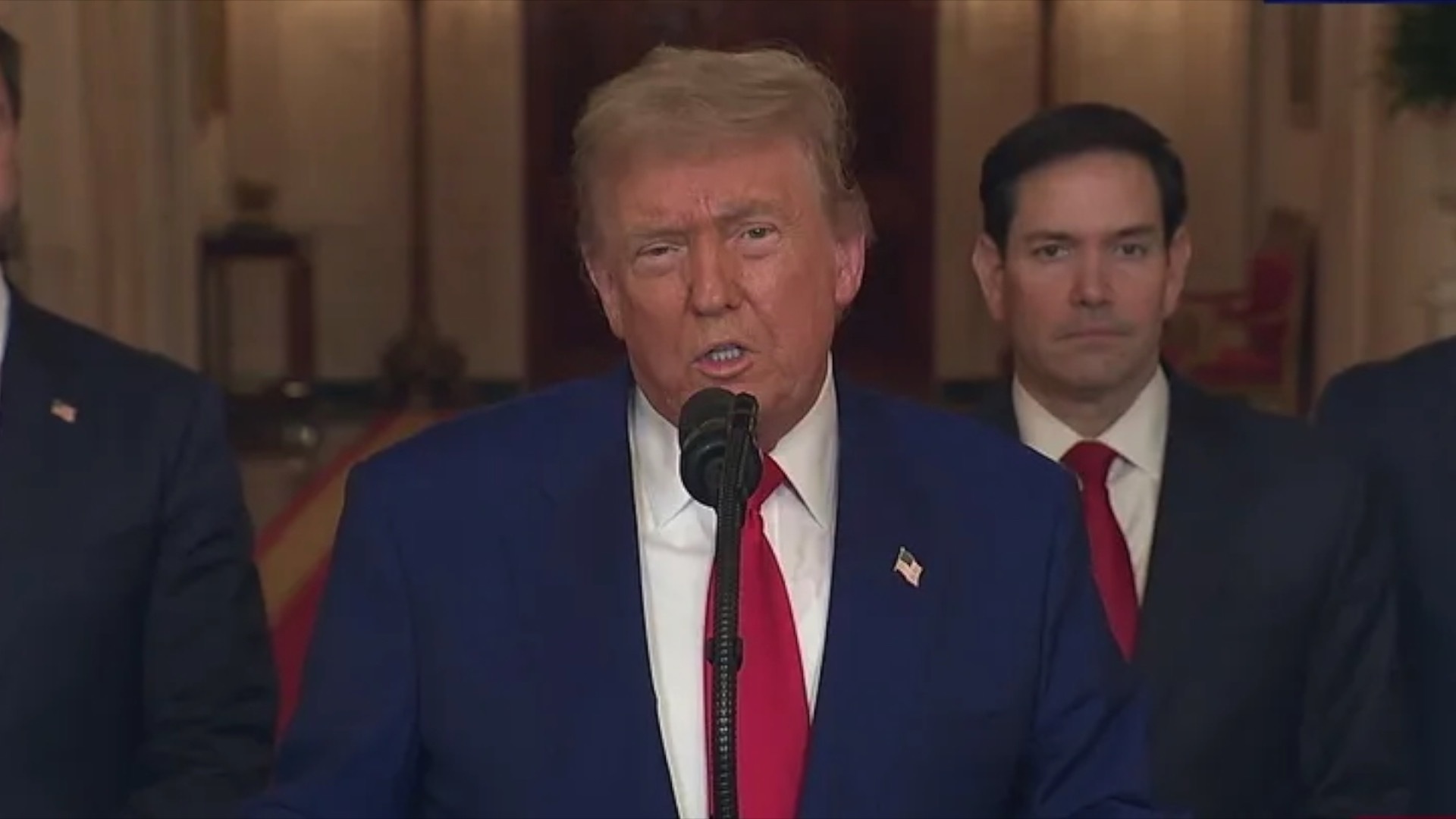
“We’re dealing with people that I think are very rational people,” Trump said on Tuesday at the G7 summit. “They were nice to deal with. They were strong people, smart people.” He added, “They’re not radicalized. They’re looking to help their country.”
Vice President JD Vance, meanwhile, told CNBC, “This is a very interesting thing about these negotiations, is you see people, both the hard-liners, but also the more political people, saying our relationship with the United States over the past 47 years has been a mistake. Let’s turn over a new leaf.”
This is pure fantasy.
By all indications, the Islamic Revolutionary Guard Corps is either heavily influential or ultimately making decisions in the currently fractured government of Iran. The IRGC was founded in 1979 with the specific mandate to exist separately from the army as a paramilitary force that would be dedicated to preserving the radical Islamic ideology of the revolution. Nothing in either Iran’s actions or public statements has justified the Pollyannaish talk of Trump and Vance.