Note: This article was first published by the North Carolina History Project on August 12, 2026.
“No one learned anything. We all sat around online, pretending to pay attention, and hoping not to be called on by the teachers who were doing their best to teach in such adverse conditions.” This was my reaction when I was asked about my Covid experience.
I was in middle school and forced to go to “virtual school” for nearly two years after the Covid-19 pandemic took hold in the spring of 2020.
North Carolina, like the rest of the nation, experienced an unprecedented disruption as the Covid-19 pandemic reshaped nearly every aspect of daily life. On March 14, 2020, Gov. Roy Cooper ordered all K–12 public schools closed for at least two weeks in an effort to slow the spread of the virus. Those two weeks stretched to two years for many students.
Even after schools did return, they never went back to “normal.” Distancing requirements, mask mandates, and hybrid schedules were the norm for several months, with schools only beginning to resume pre-Covid operations in the fall of 2023.
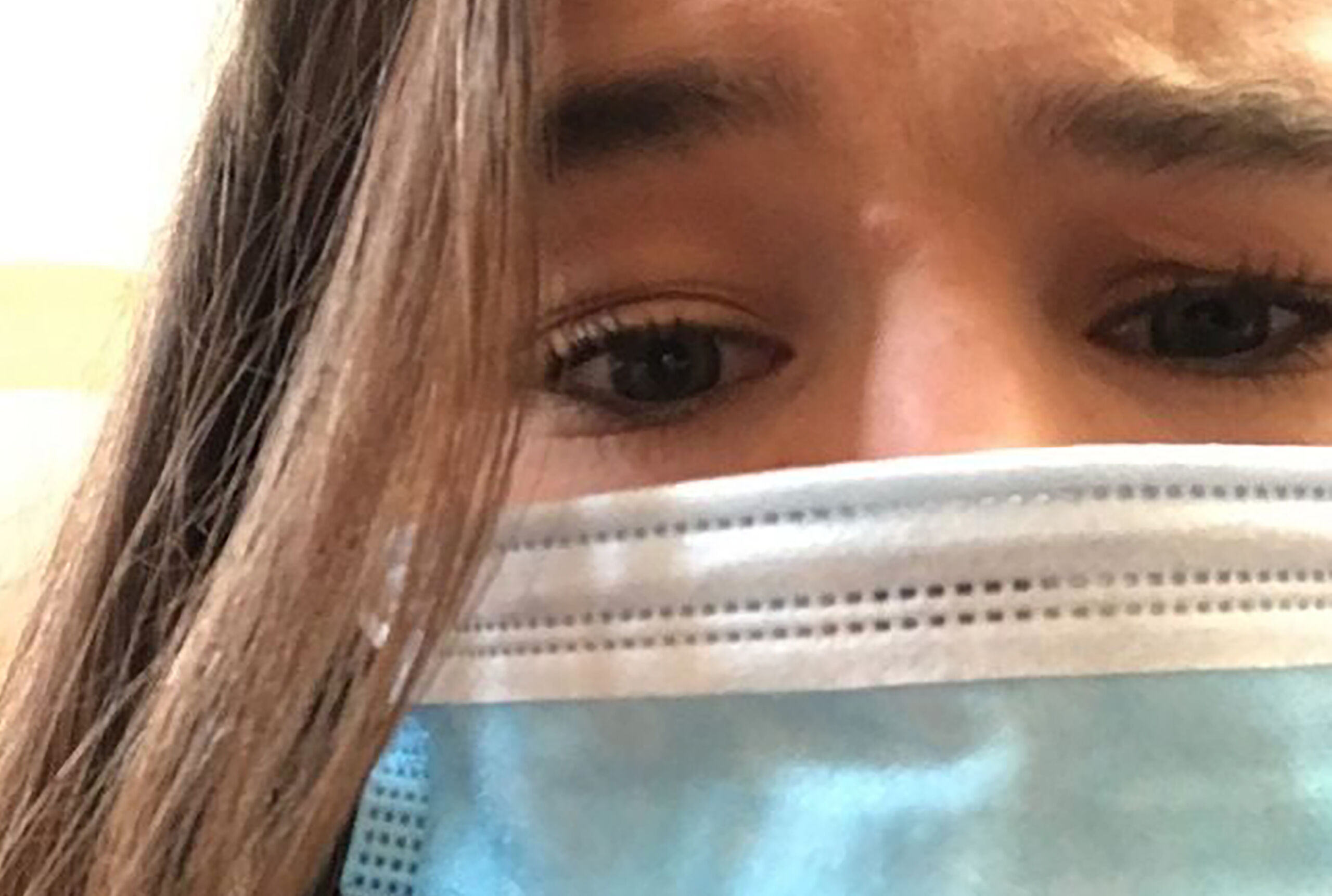
In a matter of three weeks I went from a standard sixth-grade classroom to canceled school and not leaving my house without a mask. I remember taking PE class on Zoom, soccer season being canceled, and the constant fear early on. I don’t think anyone — my family, teachers, or experts, for that matter — really knew what was going on.
That uncertainty permeated throughout every aspect of life. Mandates, recommendations, and expert opinions would change from day to day. This uncertainty led to fear and confusion among the public.
There were some friends and teachers whom I never saw in person again; they either switched schools or moved to a different state.
Kids lost three years of social interaction. They missed school sports, classroom learning, and birthday parties. That missed social opportunity may have a significant effect on the Covid generation.
Kayla Maloney was a freshman at Catholic University in Washington, D.C., when the mandates took hold. She had entered college thinking that she would experience a deeper understanding of herself, finally spreading her wings and gaining independence. “I was excited to really discover who I was. In a way I was robbed of that,” she said. “I was sent home to learn remotely for the rest of my freshman year and all of my sophomore year.”
“I was given the option to return to school under strict lockdown orders and daily testing requirements, so I opted to remain in North Carolina where I was at least allowed to go outside,” she added. “When I returned in the fall of my junior year, I was forced to wear a mask all day, every day, and submit a negative test every week just to attend classes.” She was not allowed to return to competitive college sports, as she was not comfortable getting the new Covid vaccine, an experience shared by many.
Graduating from high school during the pandemic was a strange and unfulfilling experience for students, as one Covid grad described it. Indeed, for many there was no graduation.
Many schools shifted to audience-less or fully remote ceremonies. Grandparents and relatives were not allowed to attend, and in some cases, graduates were simply mailed their diplomas. Perhaps the most devastating effect for graduates, however, was the disruption to their senior years of high school.
“Covid not only ruined that moment but also disconnected me from a lot of my classmates,” said Nate Graham, a 2020 high school graduate. “I did not get that last semester with senior prom or any sports. It completely changed the way I viewed my entire educational experience and made starting college that much tougher. Nothing really felt like a real opportunity to celebrate something that almost every kid looks forward to.”
Despite these challenges and setbacks, some unique qualities may have been born out of the Covid generation.
“I’m grateful that over the course of those few difficult years, I was able to learn a level of grace, humility, courage, and gratitude that I might not have otherwise developed,” said Maloney.
The virus made everyone feel human. We gained an appreciation for how much life matters, for how much people matter. We also gained an appreciation for freedom, medicine, and community.
Many generations in American history have faced defining moments such as world wars, Vietnam, and the civil rights movement. Perhaps Covid was this generation’s defining moment.
Skills, tools, and behaviors adapted during lockdowns and mandates, for better and for worse, might just be the trademark of those brought up under Covid. And perhaps the qualities of grit, humility, and courage will be the defining characteristics of this generation.