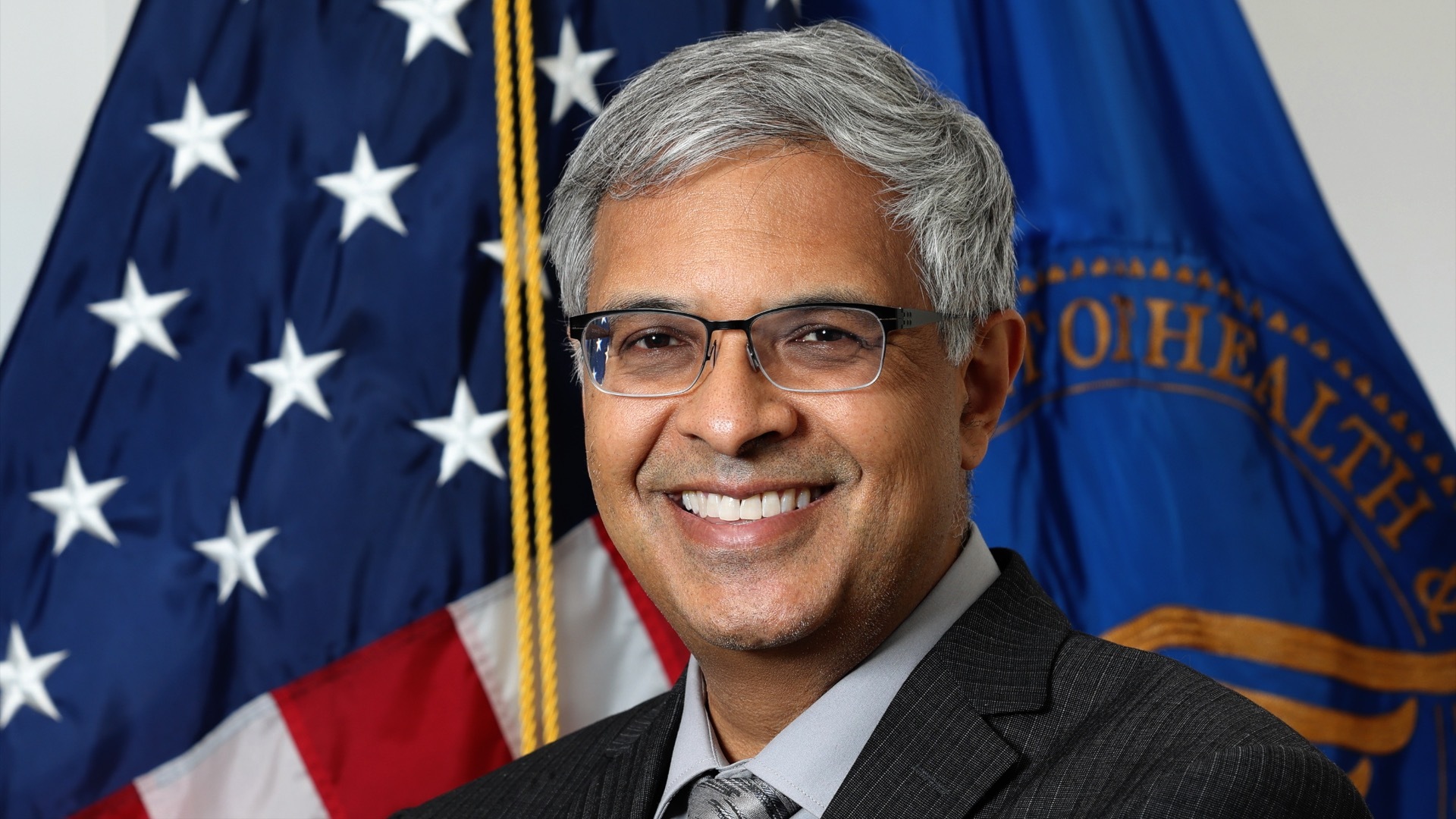
Dr. Jay Bhattacharya of the National Institutes of Health discusses the need for a new revolution in scientific study.
At the root of the scientific revolution was the idea that there was not and should never be a scientific authority. For centuries, a small number of ecclesiastical powers had decided such questions as whether the moons of Jupiter move. The scientific revolution placed these questions in the hands of a lot of very smart scientists, including those with telescopes. Unfortunately, we find ourselves back in a situation today, as demonstrated a few years ago by the Covid lockdowns, mask mandates, and vaccination requirements, where a relatively small number of people—directors of government agencies like the National Institutes of Health, heads of international agencies like the World Health Organization, and editors of prestigious journals—have the power to say what is true or false in science. …
… “Make America Healthy Again” can be seen as a political slogan. But it can also be seen as a cry for help from the American people. We have huge chronic disease problems. We can solve them—but we can only solve them if we fix science, which suffers today from three great problems.
The first of these problems is the replication crisis. Scientists publish studies today; we hear about their findings on TV, in newspapers, and on podcasts; and we (and even our doctors) take them for granted. But then when other scientists ask the same questions and perform the same experiments, they do not come up with the same results. That means that a lot of the science we (and our doctors) take for granted is not actually true. …
… The second problem we need to address is scientific stagnation—the problem that for every dollar we spend on science today, we get far less scientific advancement than we did over the past five decades. …
… The third problem to be addressed is the fact that about one third of all NIH grant money goes to about 20 institutions, despite the fact that there are excellent scientists all across the country.