Editors at National Review Online pan one of President Donald Trump’s latest bad ideas.
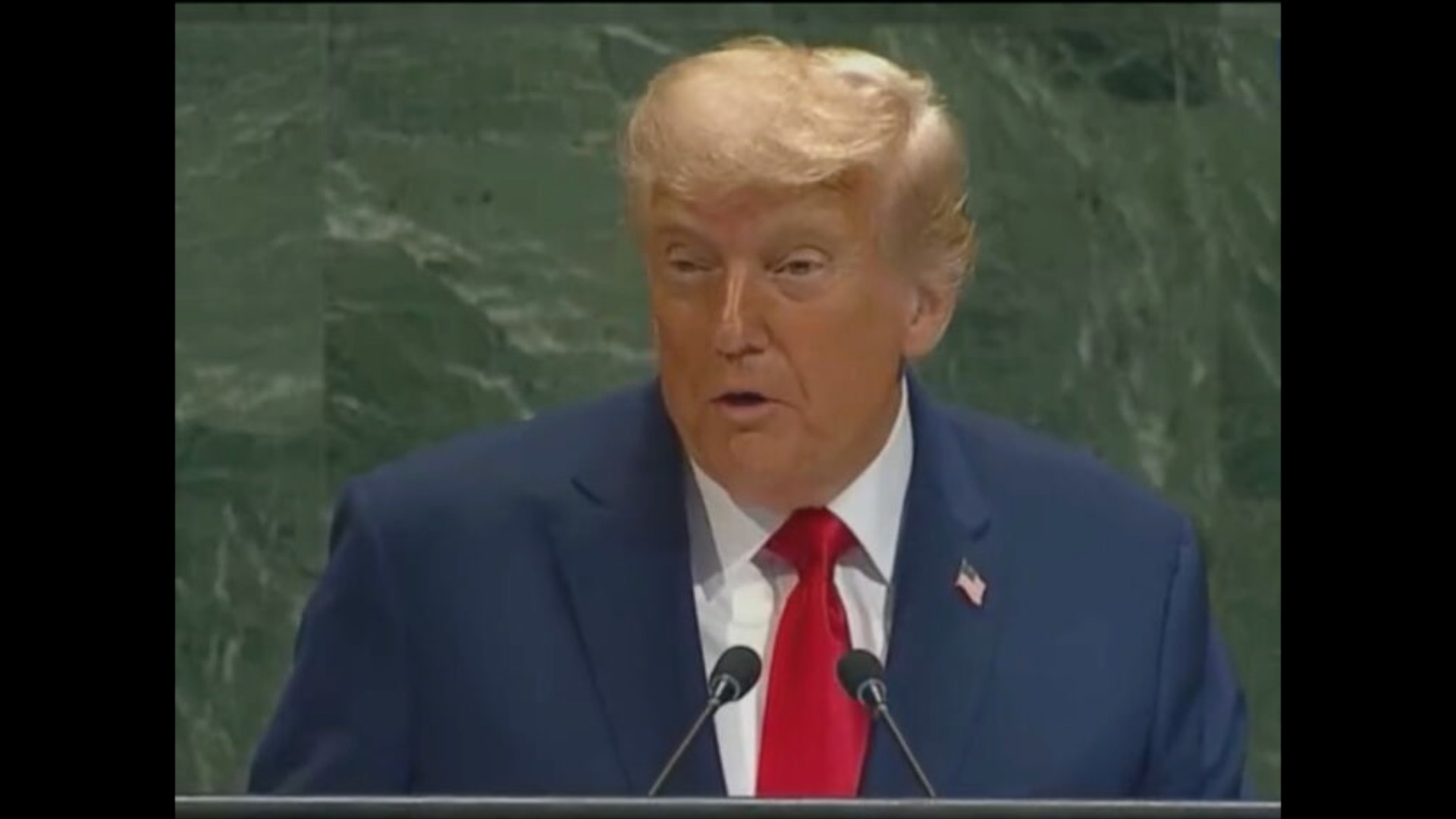
During his address to the Republicans’ novel “midterm convention,” President Donald Trump plucked a new political promise out of the air. If the GOP keeps control of the House and the Senate, he vowed, he will send every American adult a $5,000 check.
As is his habit, Trump waved away any objections to this plan. Asked later if he would need Congress to agree to the payment, he said, “We think not.” Asked if it would add to the deficit, he said, “I’m not at all worried about that.” Asked why he couldn’t do it now, given that the Republicans already run Congress, he said, “Because they can’t. I’ll tell you what, because the Democrats can’t do it, because with them it’s negative growth. With us, it’s so positive.”
Glad we cleared that one up.
Not to be outdone, Vice President JD Vance got in on the action with nonsense of his own. Asked by Bret Baier about the potential consequences for the “deficit and debt” and “inflation,” Vance insisted that the checks could be paid for from tariff revenues. “We’re taking in an extraordinary amount of revenue,” he said.
None of this is true. In his speech, the president described the potential payout as a “Trump Dividend.” But this is a brazen misuse of that term. Were his plan to come to fruition, it would be good old-fashioned government spending — nothing more, nothing less. Under the U.S. Constitution, that spending would have to be authorized by Congress, not by the president. And, because the federal government is running multi-trillion-dollar deficits, that spending would have to be borrowed, which would increase the debt. If President Trump’s vow is to be taken literally, the cost would be between $1.3 trillion and $1.5 trillion. Adding that amount of money into the economy would undoubtedly make inflation worse, and, because it would eventually be paid back unequally via our highly progressive tax system, it would represent precisely the sort of “socialism” that Trump spent the rest of his speech in Texas denouncing.