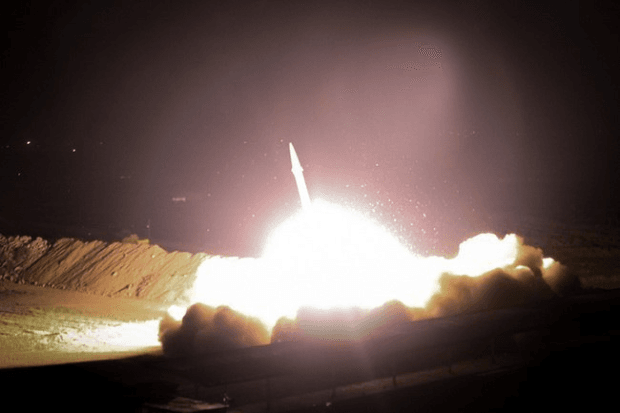
In a significant escalation of economic pressure on Tehran amid ongoing regional hostilities, the U.S. Treasury Department is preparing to make Iranian assets available to Gulf allies for rebuilding infrastructure and repairing damage caused by Iranian missile and drone strikes.
Treasury Secretary Scott Bessent has directed his team to assess the full scope of damages inflicted on U.S. partners in the region since the conflict intensified earlier this year, according to multiple sources familiar with the matter. The initiative would utilize “all available authorities” to redirect frozen or seized Iranian funds toward reconstruction efforts, both for past damages and to deter or offset any future attacks.
A source close to Secretary Bessent told reporters, “Treasury will utilize all tools available to allow Iranian assets to be made available to our Gulf allies to support rebuilding and repairs for any future damage caused by Iran.” The official added that the department is seeking comprehensive cost estimates from affected nations and will evaluate using these assets to cover repairs for damages already sustained.
The move comes after a fresh wave of Iranian strikes targeting U.S. bases and infrastructure in Kuwait, Bahrain, and other Gulf states. These attacks have caused injuries, disrupted airports, and inflicted costs estimated in the billions across the region. Gulf allies, which host critical U.S. military installations, have borne a heavy burden from Iran’s retaliatory campaigns.
A senior Gulf diplomatic source, speaking on condition of anonymity, welcomed the U.S. consideration: “Our nations have suffered direct aggression from Iran while standing with our American partners. Redirecting Tehran’s own resources to repair what they have broken is a matter of basic justice and deterrence. We are providing detailed assessments of the damages to infrastructure, oil facilities, and civilian areas as requested.”This approach echoes precedents like the use of Russian assets to support Ukraine but applies them in the Middle East context. Iranian frozen assets worldwide are estimated in the tens to hundreds of billions, including funds held in the U.S. and allied jurisdictions. Recent U.S. actions have already included seizing approximately $1 billion in Iranian cryptocurrency.
en.wikipedia.orgIran has strongly condemned the reported plan. A spokesman for Iran’s Foreign Ministry called it “outright theft and economic terrorism,” stating in a statement: “These assets belong to the Iranian people and any attempt to seize or redirect them will only deepen the conflict and undermine any prospects for peace. The United States bears full responsibility for the consequences.” Iranian officials have demanded the unfreezing of assets, including around $24 billion cited in recent negotiations, as a precondition for de-escalation.
The proposal could complicate fragile indirect peace talks between Washington and Tehran. While some discussions have explored sanctions relief and reconstruction funds for Iran, Gulf states have shown little appetite for contributing to Tehran’s recovery after sustaining attacks themselves.
Analysts view the Treasury’s strategy as a dual-purpose tool: holding Iran financially accountable while bolstering allies without additional U.S. taxpayer burdens. “This sends a clear message that aggression has costs that will be paid from the aggressor’s own pocket,” one Washington-based think tank expert noted.As damage assessments continue, the Treasury is expected to provide further details in the coming weeks. The initiative underscores the administration’s “maximum pressure” approach even as diplomatic channels remain open. Gulf partners have expressed cautious optimism that this could accelerate repairs and strengthen regional security.
This developing story may be updated as more details emerge from the Treasury Department and affected allies.