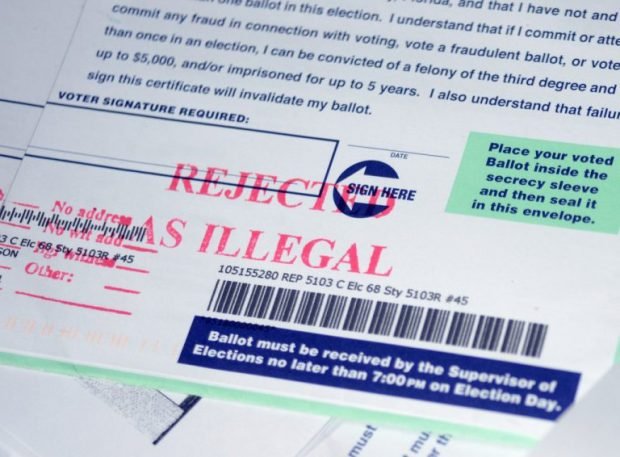
The United States Postal Service (USPS) will not deliver mail-in or absentee ballots in states that refuse to provide federal officials with lists of voters who have requested such ballots, Postmaster General David Steiner confirmed Wednesday during testimony before the Senate Homeland Security and Governmental Affairs Committee.
The policy stems from a proposed regulation aligned with a Trump administration executive order aimed at enhancing election integrity through stricter verification of mail-in voting. Under the plan, states must submit a manifest or list of approved mail-in ballot requesters to USPS at least 30 days before ballots are sent, allowing the Postal Service to cross-check and ensure only authorized ballots are processed and delivered.
“If a state refuses to turn their absentee voter list over to the federal government, will the Postal Service still mail their ballots under this proposed rule?” Sen. Gary Peters (D-Mich.), the committee’s top Democrat, asked Steiner. “Under our proposed regulation? No,” Steiner replied, adding that USPS would inform the state it needs the manifest.
Administration supporters argue the measure prevents mismatches, printing errors, and potential fraud by ensuring ballots sent match official voter requests. Steiner cited examples like past issues in Maryland, suggesting better data sharing would improve accuracy and efficiency for both states and the Postal Service.
Critics, including Democrats and voting rights groups, contend the rule represents federal overreach into state-administered elections and could disenfranchise voters in states reliant on mail-in voting, such as Oregon, which conducts elections primarily by mail. They warn it sets a dangerous precedent for using voter data and risks delaying or blocking ballots for millions ahead of future elections.
The proposal has sparked intense debate on Capitol Hill and among election officials. Some states have expressed resistance to handing over sensitive voter information, while the rule remains in the proposal stage and subject to public comment and potential legal challenges.
USPS has long played a critical role in election mail, delivering tens of millions of ballots in recent cycles while emphasizing timely handling of time-sensitive materials. Officials maintain the new requirements are intended to bolster security without broadly disrupting service, though implementation details are still being finalized.
This development comes amid ongoing national discussions about balancing election access, security, and federal-state roles in voting processes. States and advocacy groups are expected to closely monitor the rule’s progress in the coming weeks.