David Manney writes for PJMedia.com about an inconvenient truth for wind and solar energy advocates.
A family paying the electric bill doesn’t care how noble a subsidy sounds in Washington. They care whether the lights stay on, the furnace runs, the air conditioner works, and the bill leaves enough money for groceries.
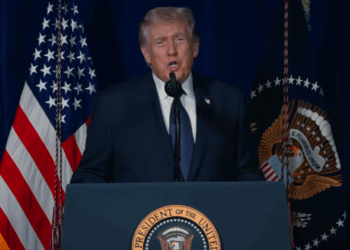
President Donald Trump’s tax law set July 4, 2026, as the deadline ending federal tax credit subsidies for new wind and solar projects not already under construction. U.S. Secretary of Energy Chris Wright called the deadline the end of roughly 35 years of federal support for wind and solar, and he noted that in 2025 they comprised about 3% of total U.S. primary energy consumption. …
… The original argument for subsidies was patience. Give the industry help, let technology improve, then let the market decide. After decades of federal support, taxpayers were still being asked to finance energy sources that need backup, transmission buildouts, land, materials, and favorable rules to compete.
Patience became a policy shift; policy drift becomes a bill the public never really got to vote on.
The White House executive order signed July 7, 2025, said federal policy would eliminate market distortions and taxpayer costs tied to green energy subsidies. The order directed the Treasury Department to strictly enforce the termination of clean electricity production and investment tax credits under sections 45Y and 48E for wind and solar facilities.
It also directed the Interior Department to review policies that favor wind and solar over dispatchable energy sources.
A Just the News report placed the cost in plain sight. Wind and solar subsidies were estimated at more than $141 billion from 2010 to 2023, more than any other energy source. Before the cuts, the Congressional Budget Office estimated the two programs would increase the federal deficit by $308 billion from 2026 through 2035.
Those figures should settle the basic question. Taxpayers shouldn’t be forced to bankroll electricity that still struggles when demand peaks and weather refuses to cooperate.