solar

Electricity demand in extreme temperatures
During extreme heat waves and cold snaps, the U.S. Department of Energy (DOE) under President Donald Trump has been issuing emergency orders that allow utilities to exceed their environmental emissions limits in order to keep…
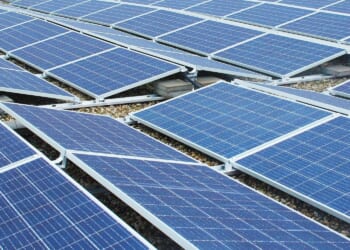
Land use for proposed new solar, natural gas plants
Two recently proposed power plants illustrate the stark difference in land use and efficiency in power generation. On June 17, the North Carolina Court of Appeals upheld the denial of a special-use permit to a proposed solar…

What kept North Carolina cool during a recent heat emergency
North Carolina faced an extreme heat event on June 11–12 Duke Energy obtained an emergency order from the U.S. Department of Energy waiving environmental emissions restrictions in order to secure the power grid Once again,…
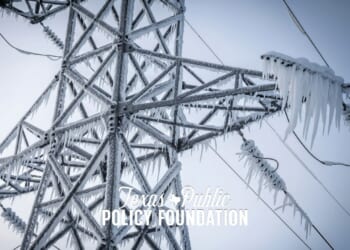
Forecasting the Future of the ERCOT Grid, Part 1: The Ongoing Winter Reliability Challenge
Written By: Michael Reed and Brent Bennett, Ph.D. Download the full research paper here. Key Points While the operational performance of the ERCOT grid has improved since Winter Storm Uri in 2021, the increasing reliance of…
How obscuring solar power’s full cost subverts state law
Adding a solar project to the electrical grid cannot be done without also adding backup generation The North Carolina Utilities Commission excludes the costs of backup generation in evaluating solar projects’ costs, even…
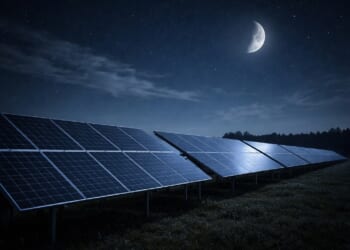
Solar’s cost should reflect its need for backup generation
It is undisputed that backup generation is an integral, inseparable aspect of solar facilities The North Carolina Utilities Commission treats solar facilities as if they are low-cost sources by treating their necessary backup…
Fuel price is no reason to pick renewables over natural gas
For years, the John Locke Foundation’s Center for Food, Power, and Life has been warning of electricity price hikes in the wake of the 2021 passage of the Carbon Plan law. A recent research brief even included a section…

Powering data centers needs less bureaucracy, more freedom
The electricity demands of data centers and other power-hungry industrial customers pose significant concerns about grid reliability and rising costs The most immediate answer — one discussed by the president and by the…

Fact-checking a “fact check” on solar and wind energy
On Sept. 5, 2025, the U.S. Energy Department’s official X account posted an Aug. 23, 2025, Washington Examiner article featuring Energy Secretary Chris Wright. The accompanying text in the post stated, “Wind and solar energy…

The Explosion of Transmission Costs in ERCOT: Causes, Forecasts, and Policy Solutions
KEY POINTS • Transmission costs in ERCOT rose from $1.5 billion in 2010 to over $5 billion in 2024 and could increase to over $12 billion per year by 2033.• After adjusting for inflation and overall rising electricity demand,…
TRENDING