Alana Goodman and Collin Anderson of the Washington Free Beacon contrast a Michigan Democrat’s words and deeds.
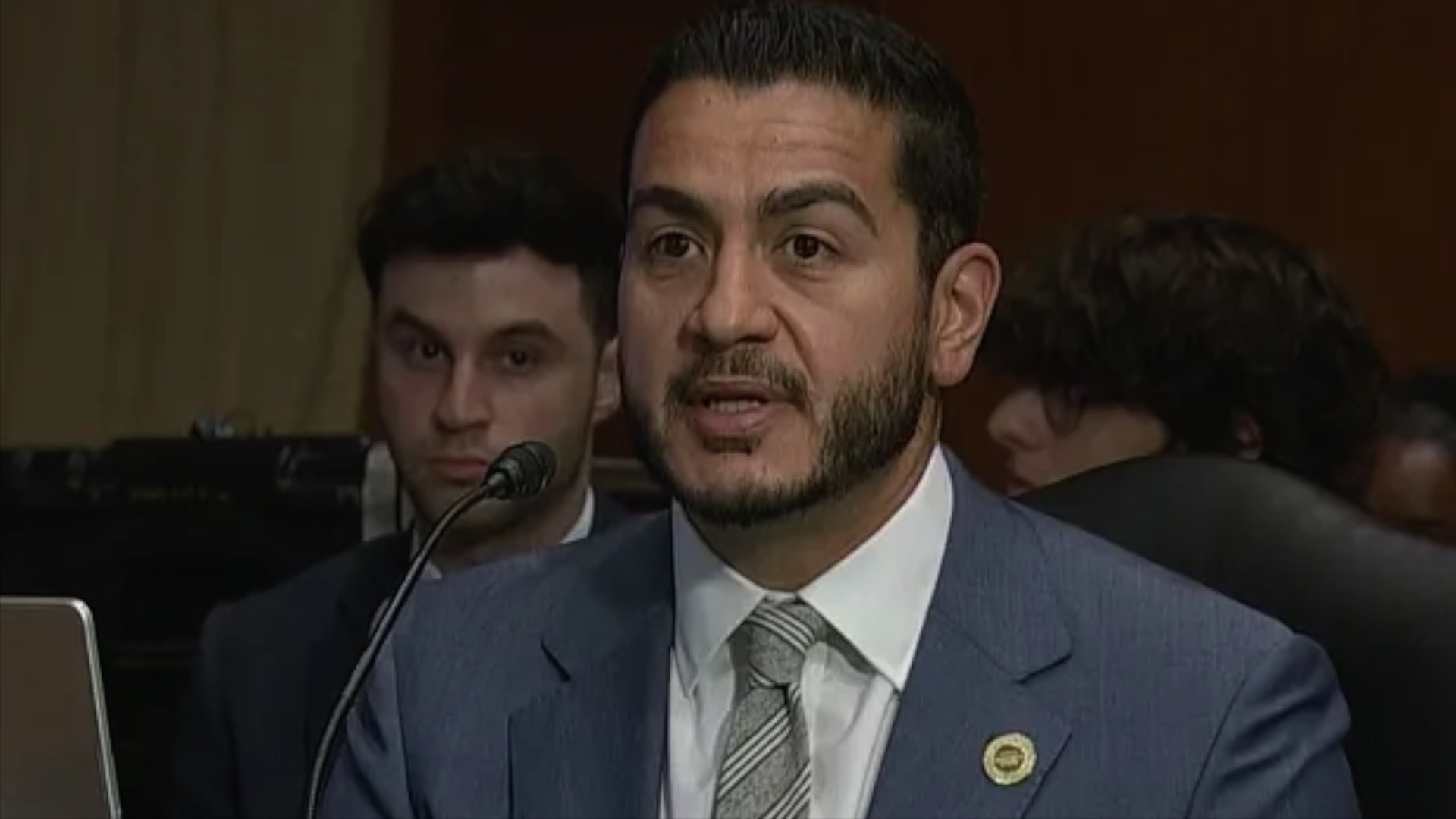
Michigan Democratic Senate nominee Abdul El-Sayed says that, if elected, he will work to “build a tax system that’s fair for working people and makes billionaires pay their fair share.” Yet his latest financial disclosure and tax return suggest the wealthy candidate, who is in the top 1 percent of Michigan earners, is taking advantage of an obscure tax loophole—derided since then-Democratic vice presidential hopeful John Edwards used it in 2004—in order to lower his own tax burden, accountants told the Washington Free Beacon.
El-Sayed’s latest financial disclosure, which covers all of 2025 and the first seven months of 2026, shows that he paid himself a “salary” of $64,000 through AME Higher LLC, an entity he founded to take in consulting and speaking fees. He earned nearly double that—$103,000—as a “member draw,” company profits that go to El-Sayed as the business owner.
The compensation structure is commonly used to limit Social Security and Medicare tax burdens. If El-Sayed were to pay himself a $167,000 salary, he would owe a 15.3 percent self-employment payroll tax on it, 12.4 percent of which goes to Social Security and 2.9 percent of which goes to Medicare. LLCs classified as “S-corporations,” however, can avoid some of the tax. The IRS requires the S-corporation owner to pay himself a “reasonable salary” reflecting a legitimate market rate. That money is subject to payroll taxes, but the remaining profits are not. The setup would allow El-Sayed to save thousands of dollars in payroll taxes.
“The split between the compensation and the distribution may have been done with an eye towards tax havens,” Robert Willens, a tax and accounting adviser to Wall Street hedge funds, told the Free Beacon. “This is a loophole actually that was attempted to be closed several times. … Obama first tried to close the loophole and was unsuccessful.”
“Still a very viable strategy,” Willens said.