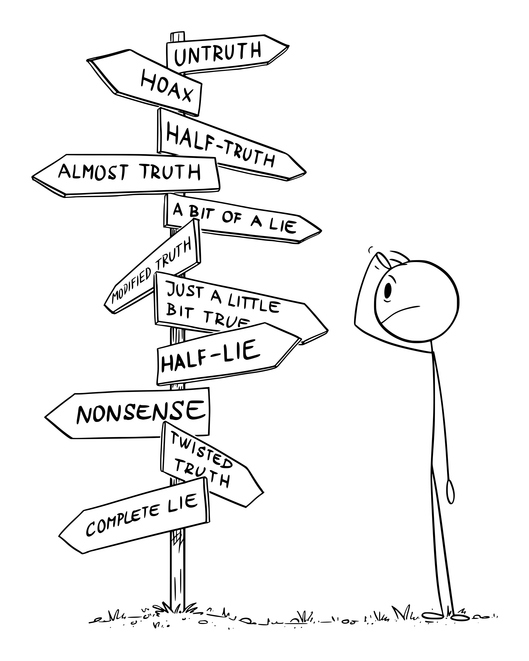
Washingtonians were told the state’s new income tax was about “fairness.” Supporters said it would make our tax system less regressive, improve affordability and ask only the wealthiest residents to pay more so ordinary families could finally catch a break.
Those are serious promises. And serious promises deserve serious scrutiny. Serious scrutiny requires looking not just at what has been said, but what has been done.
During debate on SB 6346 (the income tax), lawmakers had repeated opportunities to demonstrate that affordability and fairness were truly the priority. They could have adopted amendments that directly lowered costs for working families, added accountability protections, limited future expansion of the tax or ensured the revenue would actually be spent where supporters claimed it would go.
Again and again, those amendments were rejected.
That matters because transparency, honesty and integrity in government are essential to public trust. Trust requires elected officials to deliver on what they promise. And when elected officials say one thing but do another, it’s the actions that unveil the real priorities.
Legislative advocates for the income tax have said the primary goal of the income tax is to reduce the burden on families and workers with lower incomes. But is that really what it’s for?
The Amendments That Could Have Helped Families
Among the rejected proposals were amendments that would have directly reduced costs or increased accountability for taxpayers:
-
Dedicating portions of the revenue specifically to education, childcare, healthcare or affordability programs — ensuring taxpayers could see where the money was actually going
Most failed.
The Real Issue Is Accountability
Not every amendment was perfect. Not every proposal deserved passage. But the amendment process exposed an important reality: Many of the most direct affordability measures and accountability safeguards were rejected even while lawmakers publicly justified the tax as necessary to improve affordability, tax fairness and service outcomes.
That contradiction deserves attention. If affordability was truly the primary goal, why reject broad sales tax reductions? If helping working families was the priority, why reject direct relief measures? If the tax was truly only intended for “millionaires,” why oppose stronger constitutional or voter-approved protections preventing future expansion? If the revenue was truly for education and childcare, why reject amendments that would have dedicated the funds specifically to those purposes?
These are not partisan questions. They are accountability questions. Washingtonians deserve honesty about what government is doing, why it is doing it and what the long-term consequences may be.
Washington Does Not Become More Affordable Simply by Raising Taxes
Affordability is not created by political slogans. It is created by economic opportunity. Families thrive when:
Washington’s long success came from a culture that rewarded innovation, entrepreneurship and productive investment. That competitive advantage helped build one of the strongest economies in the country.
But economic strength is not guaranteed.
When policymakers continue expanding taxes, regulations and spending without equal attention to affordability, competitiveness and accountability, more families and employers begin questioning whether Washington remains a place where opportunity can flourish. That should concern everyone, regardless of political party.
Taxpayers should not be asked to accept higher costs while being told affordability is improving. “Fairness” cannot simply mean expanding government while families continue struggling with housing, childcare, energy and everyday expenses. And accountability should not disappear once a bill becomes law.
Washington can become more affordable, more competitive and more opportunity-driven again. But that will require more than rhetoric. It will require transparency, integrity and policies that genuinely improve life for everyone — not simply larger government budgets.
The people of Washington deserve nothing less.