Editors at National Review Online assess the impact of a recent announcement from New Jersey officials.
For years, critics of anti-voter-fraud measures such as voter identification have denied that any problem exists. The casting and counting of illegal votes is so vanishingly rare, they tell us, that no safeguards are needed.
So much for that. New Jersey has now admitted what critics long denied. There are thousands of noncitizens on its voter rolls, and hundreds of them are believed to have voted in the past three years. We can only wonder how many such registrations and voters exist in other states.
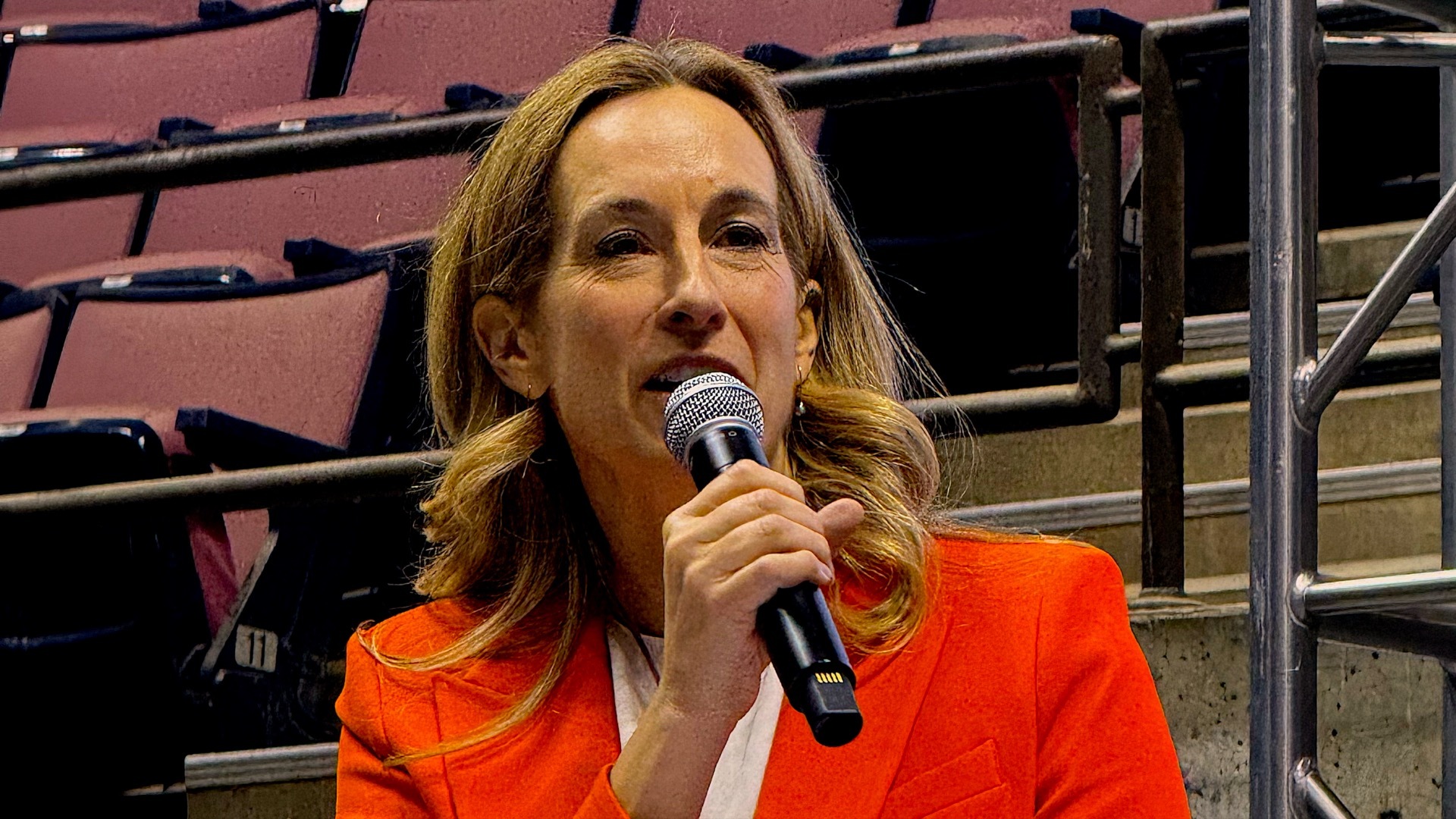
Governor Mikie Sherrill announced Tuesday that “a serious software error in New Jersey’s Motor Vehicle System led to the registration of roughly 6,600 people who indicated that they were not U.S. citizens between June 2023 and June 2024,” when fellow Democrat Phil Murphy was governor. A “preliminary analysis,” says Sherrill, “shows fewer than 400 individuals who were newly registered for the first time because of the error voted.” So far.
If Sherrill’s account of the registration SNAFU is believed, these were voters who made no attempt to conceal their noncitizen status when registering, and the problem was one of computer error rather than deliberate fraud. That said, the fact that this went undetected for two to three years shows why periodic reviews of voter rolls are essential. Moreover, if voters had to show proof of citizenship to a human being when registering, it is less likely that they could be registered without some entry in the system clearly classifying them as ineligible to vote.
Moreover, the fact that hundreds of these people may have voted shows why safeguards are needed: We can’t just rely on everyone, even people who admit to being noncitizens, to obey prohibitions against voting if they can get away with it.
These are real problems, and they require practical solutions. Fortunately, many of the available measures, such as voter ID and allowing states to check for citizenship when registering voters, could address them.