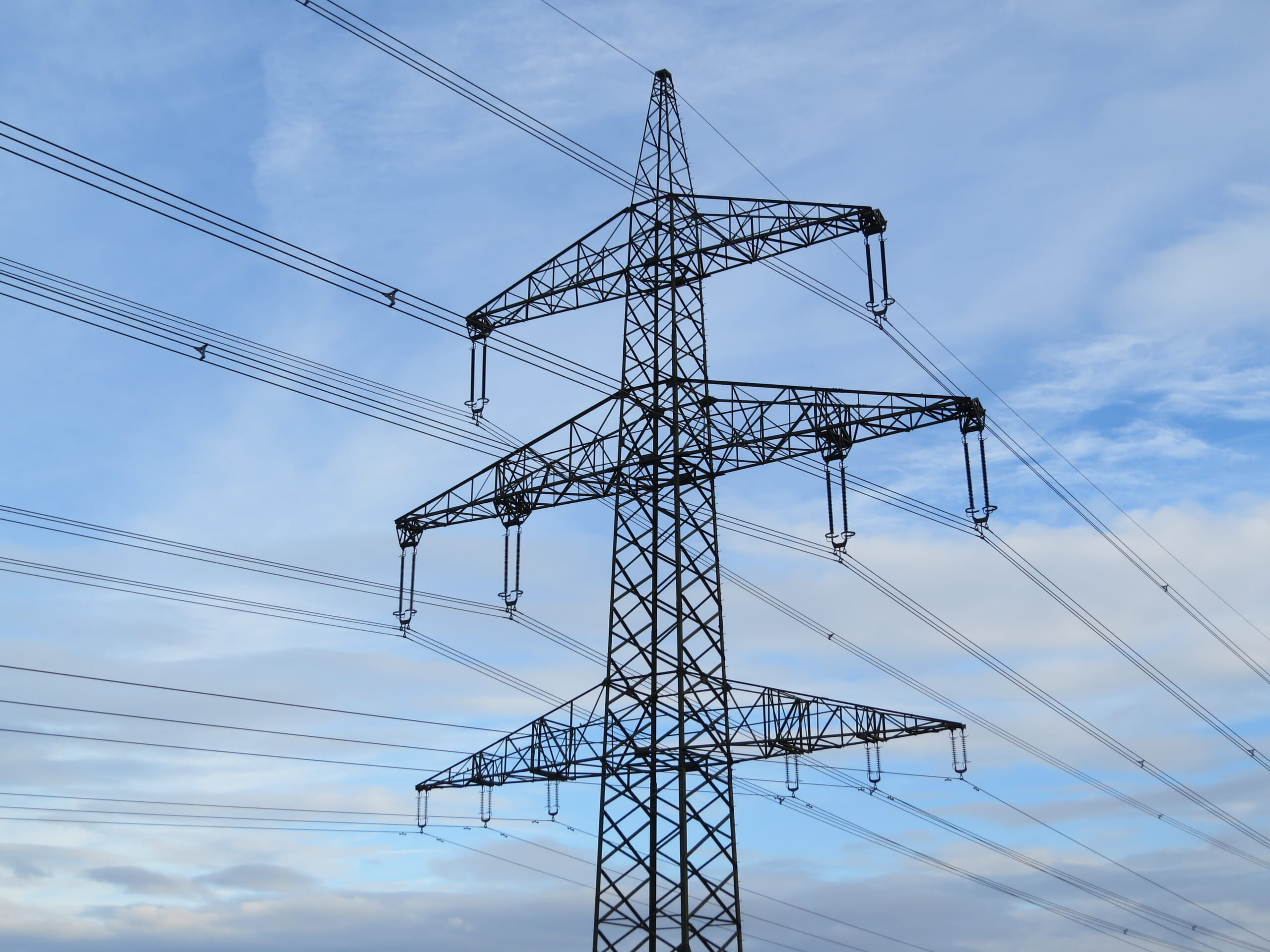
The Public Utility Commission of Texas should pause implementation of ERCOT’s Strategic Transmission Expansion Plan (STEP) and carefully evaluate more affordable, reliable alternatives before committing Texans to the largest transmission projects in state history.
While Texas faces growing electricity demand from population growth, industrial expansion, and data centers, STEP fails to address the state’s most pressing grid challenge: increasing the supply of reliable generation.
Transmission lines do not generate electricity. Texas will still need substantial private investment in dispatchable generation—particularly natural gas—with or without STEP. In fact, analysis shows the proposed 765-kV transmission lines would reduce future generation and transmission spending by no more than 2 percent through 2038.
STEP also fails to deliver meaningful savings for consumers. The new transmission lines are projected to have little measurable impact on ERCOT energy prices. Modeling shows that building new natural gas generation closer to demand centers would produce nearly identical price outcomes while avoiding much of the transmission investment.
The costs of STEP, however, are enormous. The project could impose nearly $100 billion in lifetime costs on Texas ratepayers while permanently affecting thousands of private property owners through new transmission corridors and expanded use of eminent domain.
Moreover, STEP is rigged. It is built on assumptions that prioritize moving larger amounts of wind and solar power across Texas to satisfy the misguided ESG-related goals of large industrial consumers – like oil and gas majors and data centers – seeking access to subsidized renewable energy. Those preferences should not dictate grid policy and cost for every Texas family and business.
Most importantly, alternatives exist. Adding 4 to 5 gigawatts of natural gas generation in West Texas and strategically locating generation resources where the electricity is needed will improve reliability, reduce costs, and lessen the need for extensive transmission expansion.
Before Texas commits to STEP, policymakers should pause, reassess the assumptions driving the project, and fully consider alternatives that provide reliable power at a lower cost and with less impact on Texans.