This op-ed originally appeared in the Winston-Salem Journal on August 27.
While Black voters have long been the most consistent supporters of the Democratic Party, they are also some of the most politically diverse. Those traits may save the party from plunging off an extremist ideological cliff into political oblivion.
More than 80 percent of Black voters support the Democratic Party. That is the strongest level of support either major party enjoys from any racial or ethnic group, even though only 29 percent of Blacks describe themselves as liberal (compared to 55 percent of white Democrats). One reason for that strength is that Black support for the Party is not limited to progressives. Moderate and even conservative Blacks also consistently vote Democratic.
Why is that so?
In their book, Steadfast Democrats, political scientists Ismail K. White and Chryl N. Laird attribute continued Black political unity, despite their political diversity, to a process they call “racialized social constraint.” Even though “Blacks have become increasingly more moderate and even conservative on a number of important political issues,” racialized social constraint enforces “norm compliance reinforced by in-group informational cues.” The effect of that process is that, while younger Black Americans are less likely to support the Democratic Party than their elders are, the Black community overall remains the party’s strongest pillar.
Now, that support is being increasingly put to the test by the rise of socialism within the party.
For a while, Vermont Senator Bernie Sanders was practically a lone socialist voice among major American political figures, but socialism is on the rise among Democrats. Zohran Mamdani was elected mayor of New York last year, despite Black voters favoring his opponent, Andrew Cuomo, in the Democratic primary. Since then, socialists have won several congressional primaries in New York.
In Colorado, Democratic Socialist Melat Kiros unseated longtime incumbent Rep. Diana DeGette in Colorado’s 1st Congressional District Democratic primary. Those wins led Sanders to claim that America is “on the verge of the political revolution we have fought for, for such a long time.”
The socialist rise has even affected statewide Democratic primaries in the Midwest, with Abdul El-Sayed capturing the Democratic Senate nomination in Michigan and Sanders-endorsed Peggy Flanagan defeating a more moderate candidate in Minnesota’s Senate primary. Even radical state Representative Francesca Hong came within a hair’s breadth of winning the Democratic gubernatorial nomination in Wisconsin.
But the very process that keeps moderate and conservative Black voters supportive of the Democratic Party may prevent, or at least limit, Sander’s “political revolution.” While Black Americans generally lean further left than White Americans overall, the continued presence of moderate and conservative Blacks in the Democratic Party puts them collectively to the right of Whites within the Democratic Party.
That fact is affecting politics within the party. Just as Black primary voters were skeptical of Mamdani, El-Sayed underperformed among Black voters in the Michigan primary. This could also impact the 2028 presidential race. The Democratic National Committee recently decided to make South Carolina, with its large contingent of Black voters, the first presidential primary state. That decision makes a “more difficult path” for a socialist candidate to win the party’s nomination.
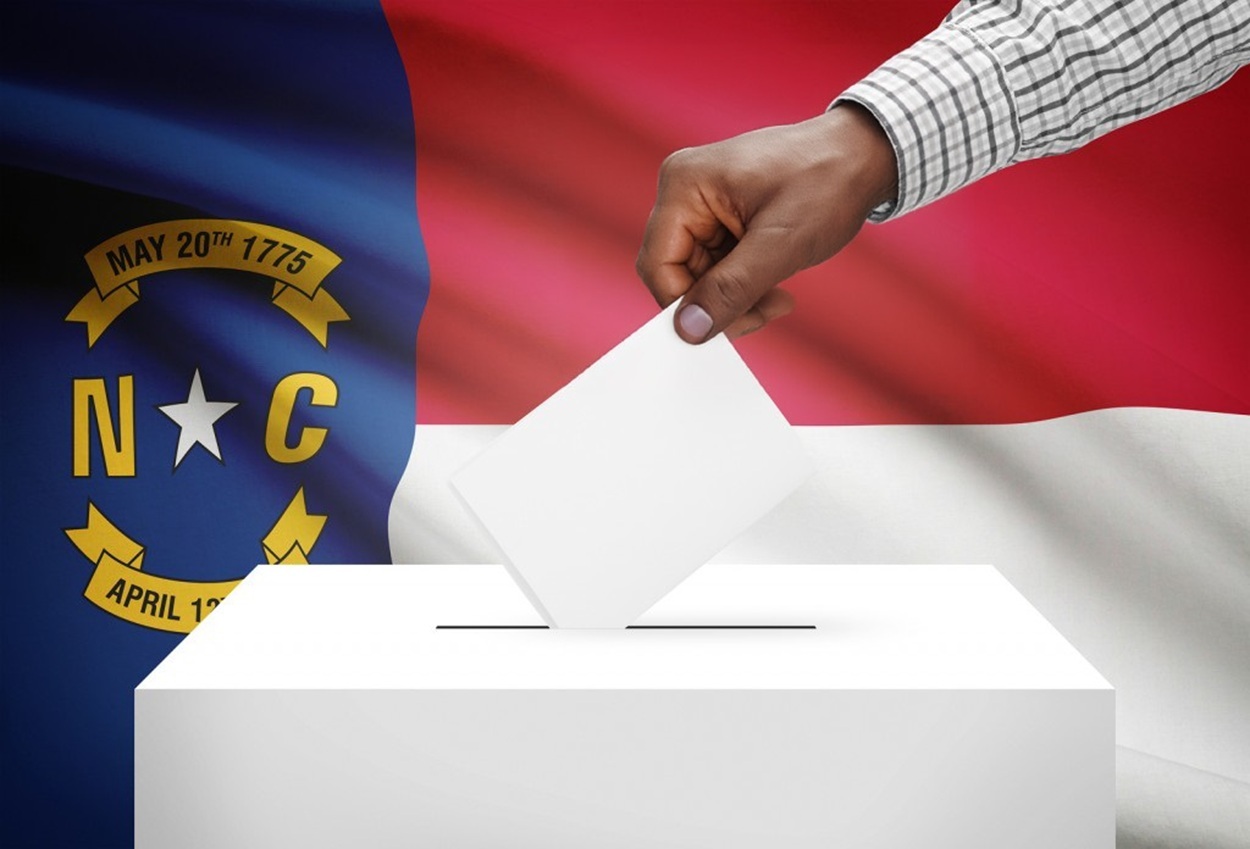
In North Carolina, Rep. Valerie Foushee beat back a challenge from leftist Nida Allam, who served as a political director for Bernie Sanders in 2016, by less than one percent in the 4th District Democratic primary. Allam claimed that Mamdani’s policies are “common sense,” and her campaign “made a significant effort to court” local members of the Democratic Socialists of America.
There is evidence that Black voters were key to Allam’s defeat. Even though Allam is a Durham County commissioner, the Durham precincts that are at least 60 percent Black voted for Foushee by a two-to-one margin. Since the winner of the 4th District Democratic primary is all but guaranteed to win in the general election, it is safe to say that Black voters saved North Carolina from sending a socialist to Congress.
Foushee’s victory was narrow, however, and support for socialism continues to rise in places like Durham, Charlotte, and Asheville. This trend raises a couple of questions. The first is whether Black voters can continue to save the North Carolina Democratic Party from its most extreme ideological elements. The second is whether moderate and conservative Black voters will continue to support the Democratic Party if those extremists eventually take over.